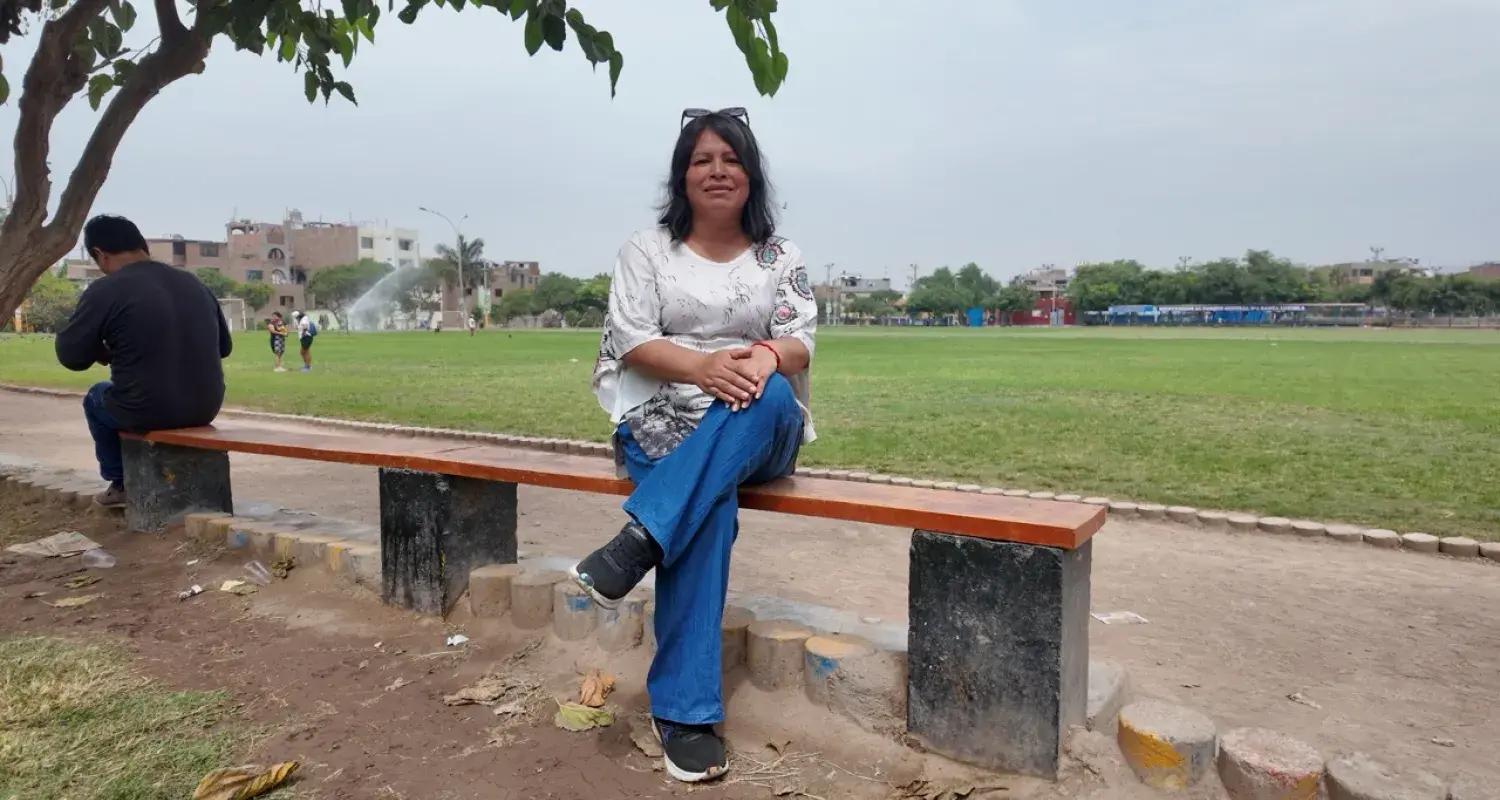
Few people understand the danger of dengue as personally as someone who has lived through it. Alicia Lurdes Bravo Yupanqui - a community delegate and law student in Comas, northern Lima - caught the disease years ago and never forgot it. Now she draws on that experience to help her neighbours take dengue seriously and to understand an unfamiliar new tool in the fight against it: the World Mosquito Program's Wolbachia method. Through patient conversations in parks and community kitchens, she is turning curiosity and doubt into the trust that makes a public health strategy work. Her story shows how surviving a disease can become a reason to protect an entire community.
"Sometimes people hear the word dengue and think it's nothing, but it can leave you very sick—or even kill you."
In the district of Comas, in northern Lima, Peru, neighbourhood organisations are part of everyday life. Parks, community meetings, and public spaces often become places where residents exchange information, discuss local challenges, and work together to find solutions that benefit their neighbourhoods.
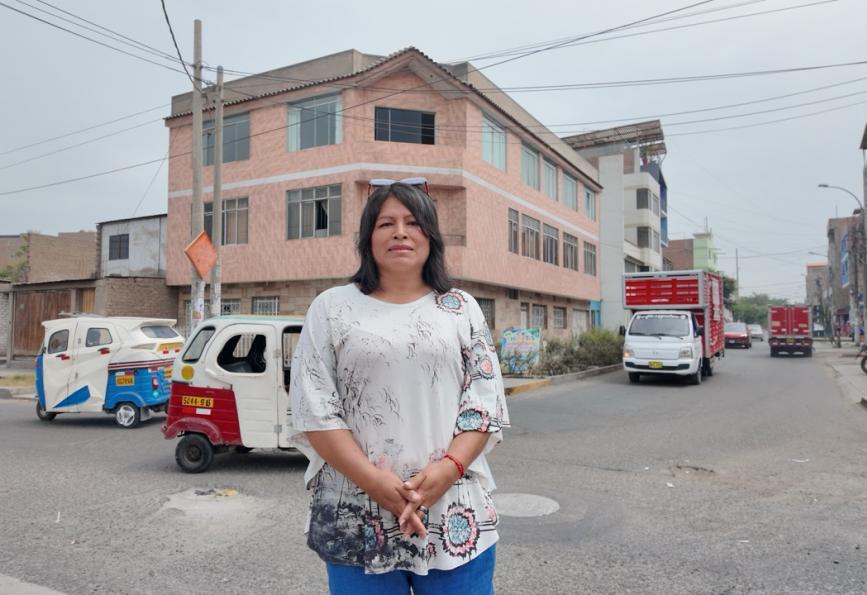
In Zone 6, one of the people who has taken on that role is Alicia Lurdes Bravo Yupanqui, a community delegate and law student at Universidad César Vallejo. In her free time, she enjoys playing volleyball and participating in community activities, but what truly drives her is her commitment to her neighbours. "What motivates me the most is caring about the common good of our community and seeing positive changes in my country," she said.
Her interest in community health, however, did not come only from her leadership role. It was shaped by a personal experience that deeply affected her life. Several years ago, Alicia lived in Piura, a northern region of Peru where dengue outbreaks often occur during the rainy season. Much like in Comas, rainwater frequently collects in containers and household water storage tanks, creating ideal breeding sites for the Aedes aegypti mosquito that transmits dengue.
Crippling pain of dengue
It was there that Alicia became ill. "I started feeling headaches, pain behind my eyes, and fever," she recalls. Doctors soon confirmed the diagnosis: dengue. The days that followed were filled with physical discomfort and worry. "It was a strong body pain. You don't want to eat anything, you feel nauseous… those days felt endless," she adds.
While recovering, Alicia also witnessed the impact dengue could have on other families around her. She remembers the case of a close friend whose son nearly died from severe dengue. That experience permanently changed how she saw the mosquito responsible for transmitting the disease. "Every mosquito I saw, I tried to get rid of it," she said, with a clear sense of seriousness about protecting her family.
Dengue, a growing public health threat in Peru
Over time, Alicia came to understand that dengue is not a problem that can be solved within a single household. It is a challenge that affects entire communities. In recent years, dengue has become one of Peru's most pressing public health concerns, with thousands of cases reported nationwide and an increasing presence of the mosquito, Aedes aegypti, in densely populated urban areas such as northern Lima. In districts like Comas, the mosquito often finds breeding sites in standing water collected in containers, waste materials, and small household storage areas.
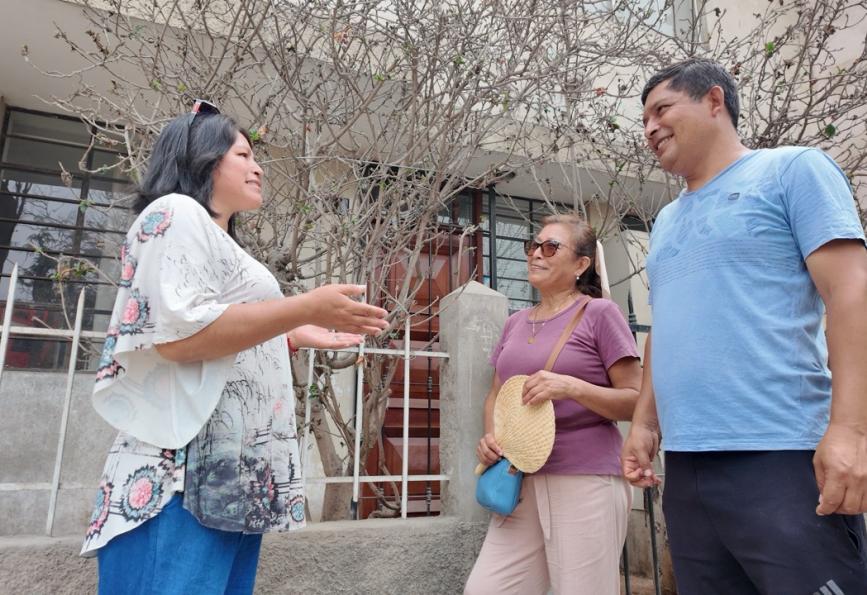
When Alicia returned to Comas and assumed her role as a community delegate, she began talking with her neighbours about dengue. In community meetings, social gatherings, and everyday conversations, she reminded people that the disease should not be underestimated. "Sometimes people hear dengue and think it's nothing," she explained. "But it can leave you very sick - or even kill you."
Be Part of the Solution: Join Our Community
Discover how we’re transforming lives and combating mosquito-borne illnesses globally. Sign up for exclusive insights and updates delivered straight to your inbox.
An innovative strategy to help combat dengue
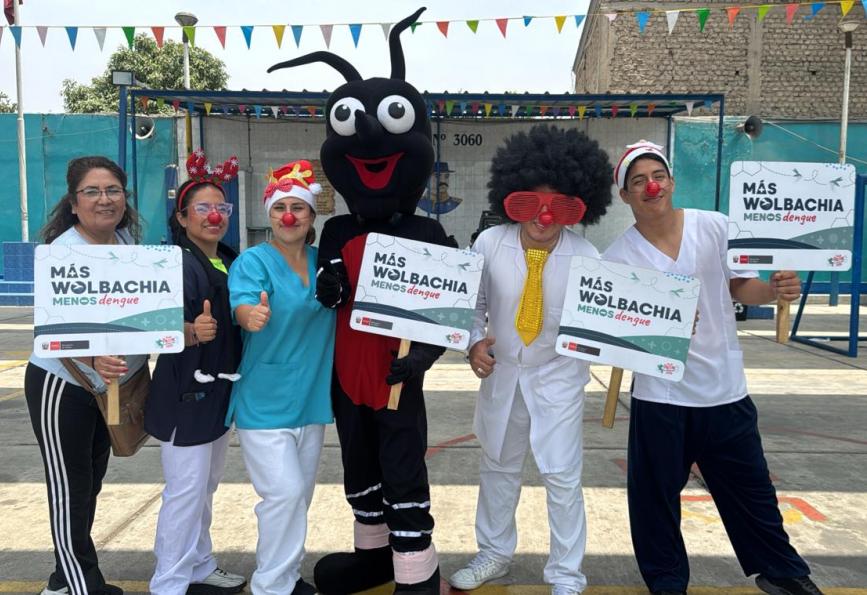
It was during this time that Alicia first heard a word that sounded unfamiliar to her: Wolbachia. "At first it sounded like a strange name, something that didn't make much sense," she remembered. But her curiosity, and her commitment to the community, pushed her to learn more.
Shortly afterwards, Alicia and other community leaders were invited to a meeting at the Municipality of Comas. There, specialists from Peru's Ministry of Health, DIRIS Lima Norte, and the local Integrated Health Network (RIS) introduced an innovative strategy to help combat dengue: the release of mosquitoes carrying the naturally occurring bacterium Wolbachia, which reduces the mosquito's ability to transmit viruses such as dengue, Zika, and chikungunya.
The evidence behind the Wolbachia method
During that meeting, Alicia learned that the strategy was backed by years of research and successful international experiences. A gold-standard randomised trial in Yogyakarta, Indonesia, has shown a 77 per cent reduction in dengue incidence and an 86 per cent reduction in dengue hospitalisations in Wolbachia-treated areas compared with untreated areas. Peru's Ministry of Health officially authorised its implementation through Ministerial Resolution No. 485-2025-MINSA, under the Implementation and Evaluation Plan for the Wolbachia Strategy for Dengue Control in Prioritised Scenarios 2025–2027. The resolution supports the use of Wolbachia as a complementary biological method for dengue control in the country.
Building community trust through dialogue
When Alicia began sharing this information with her neighbours, questions quickly emerged. Many had never heard of Wolbachia before. "When I mentioned the name, people immediately asked, 'What is that?'" she recalled with a laugh. Some neighbours even imagined completely different explanations for how the strategy worked. But for Alicia, these questions were a natural part of the process. As a community leader, she understood that trust is built through clear information and open dialogue.
Rather than becoming discouraged by the initial doubts, Alicia did what she does best as a community leader: listen, discuss and organise. Together with the zonal president and with the support of health specialists from the Ministry of Health's Wolbachia Plan, she began organising meetings in parks, community kitchens, and other neighbourhood spaces to explain how the strategy works. The goal was simple: ensure that every neighbour understood the initiative and could share that information with family members and others in the community.
During this process, they also learned about experiences from other countries where the Wolbachia strategy had already been implemented, including El Salvador, where communities similar to theirs had accepted the method as an effective way to combat dengue. For Alicia, learning about these experiences helped strengthen community confidence and reinforced the idea that information and community organisation are essential in addressing the disease.
Hope for dengue control in Peru
Today, Alicia sees the project with hope. She believes that if communities understand the strategy and actively participate, they will accept initiatives like Wolbachia that can make a real difference in the fight against dengue. "I believe the impact it will have in my beloved Peru will bring positive results," she said. "And that we will be able to control dengue without people losing their lives."