In Comas, a district on the edge of Lima, dengue is woven into daily life. But Peru is now taking a different approach - one that goes beyond outbreak response. Carlos Pineda reports on how a national commitment to our Wolbachia method is putting long-term disease prevention firmly in the hands of Peruvian communities and the state.
Dengue in Lima: a disease that has become part of everyday life
In the bustling district of Comas, which lies along the Chillón River valley, near the foothills of the Andes, dengue stopped being a distinct statistic long ago. For many families, the disease is part of everyday life in this populous area of Peru's capital, Lima.
"Here in Comas, dengue is normal; people have, to some extent, lost their fear of it," says resident Liliana González.
Like her, thousands have experienced first-hand the effects of a disease that, over the past year, has significantly affected both adults and children across the country. In 2024, there were more than 271,500 cases reported and over 39,000 last year, according to the World Health Organisation (WHO). This situation has led Peru to rethink how it addresses dengue. Beyond outbreak response, the country is moving toward a model that prioritises sustainable, long-term solutions.
A national partnership built on local ownership
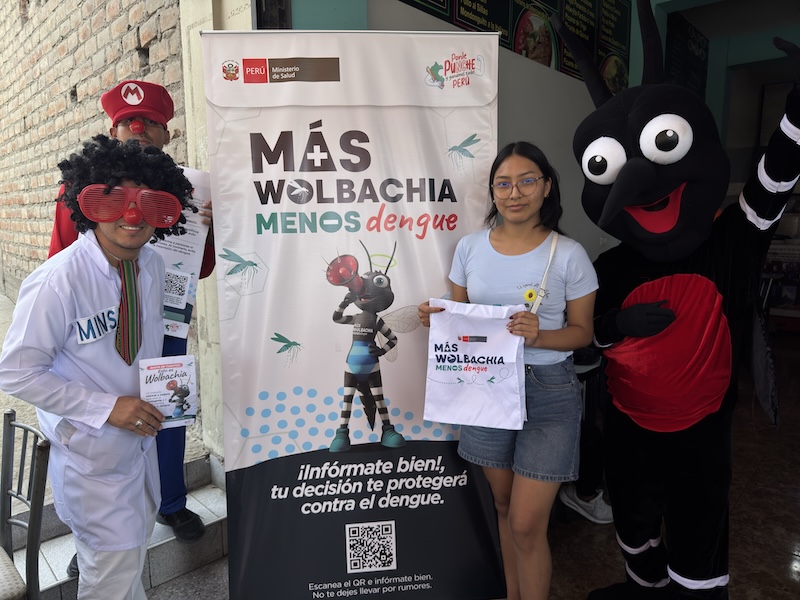
In Lima, specifically in the district of Comas, an intervention is taking shape that redefines international cooperation in public health. This is a strategic partnership aimed at transferring technological knowledge and transforming the Wolbachia method of the World Mosquito Program (WMP) into an installed, sovereign, and self-sustaining capacity of the Peruvian State.
This partnership is grounded in a national commitment and a co-financing scheme that is uncommon in the region for initiatives of this kind. The Ministry of Health (MINSA) has assumed financial leadership of the plan, covering more than 50 per cent of the total investment with domestic resources, complemented by support from the Puerto Rico Science, Technology and Research Trust (PRVCU), the Center for Disease Control and Prevention (CDC), and technical accompaniment from the World Mosquito Program (WMP). This approach positions Peru as a regional benchmark, investing directly in its long-term health security.
Be Part of the Solution: Join Our Community
Discover how we’re transforming lives and combating mosquito-borne illnesses globally. Sign up for exclusive insights and updates delivered straight to your inbox.
What Peru's model means for the future of dengue control
The Comas project shows how countries can build their own long-term capacity to fight dengue. When WMP's support eventually ends, Peru will have the knowledge and technical expertise needed to run and sustain the Wolbachia programme on its own. This experience shows that innovation can grow and last when it is built on national leadership and local capacity — turning our Wolbachia method into a tool that the government and communities can use to protect themselves from dengue for years to come.
Wolbachia mosquito releases are due to begin in Comas later this month, and many hope it will expand to other regions of the country, bringing hope in the fight against mosquito-borne diseases.
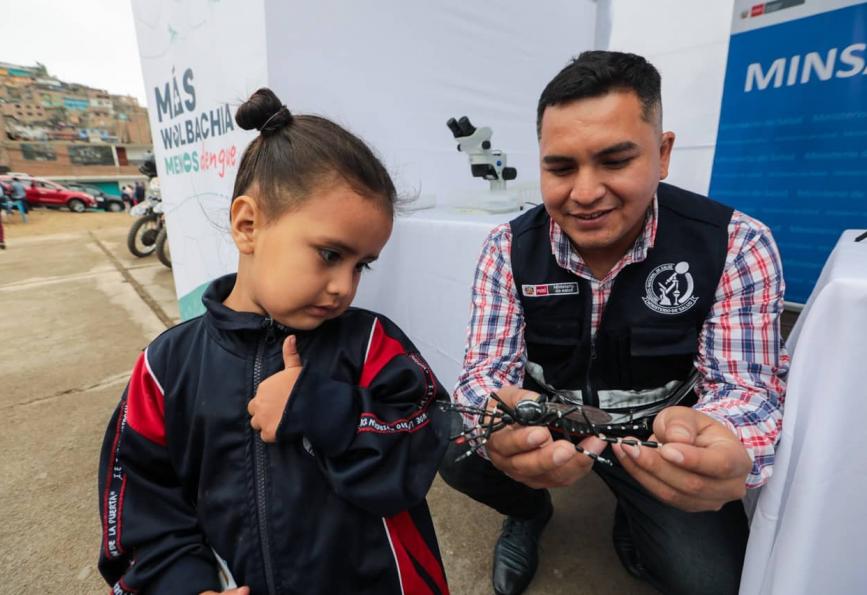
Communities as active partners in dengue prevention
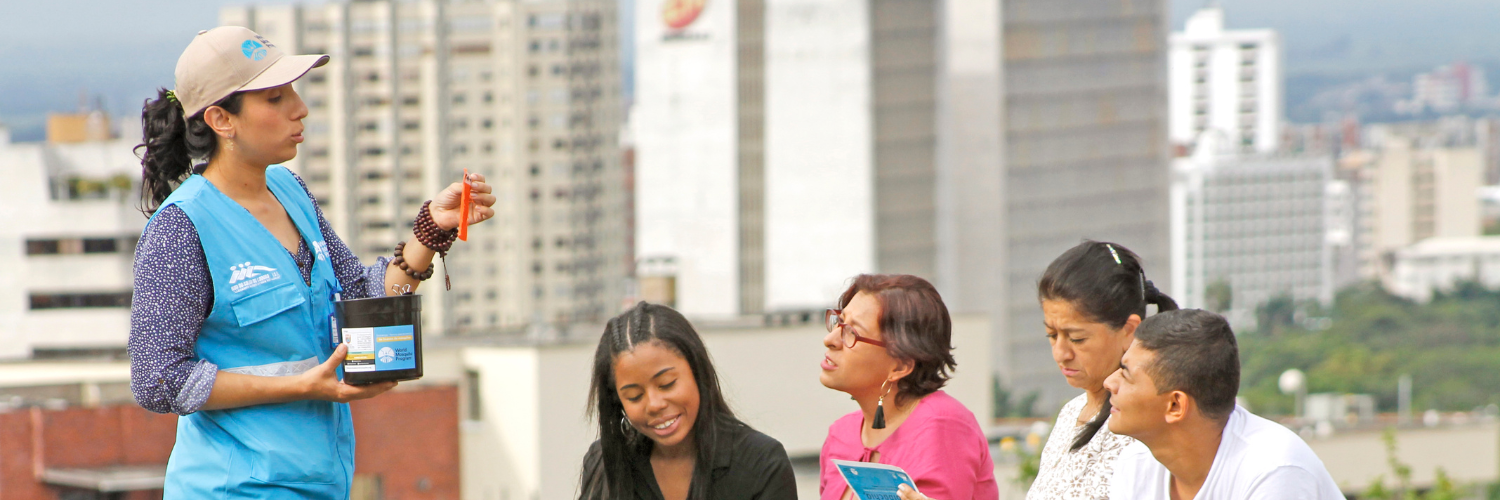
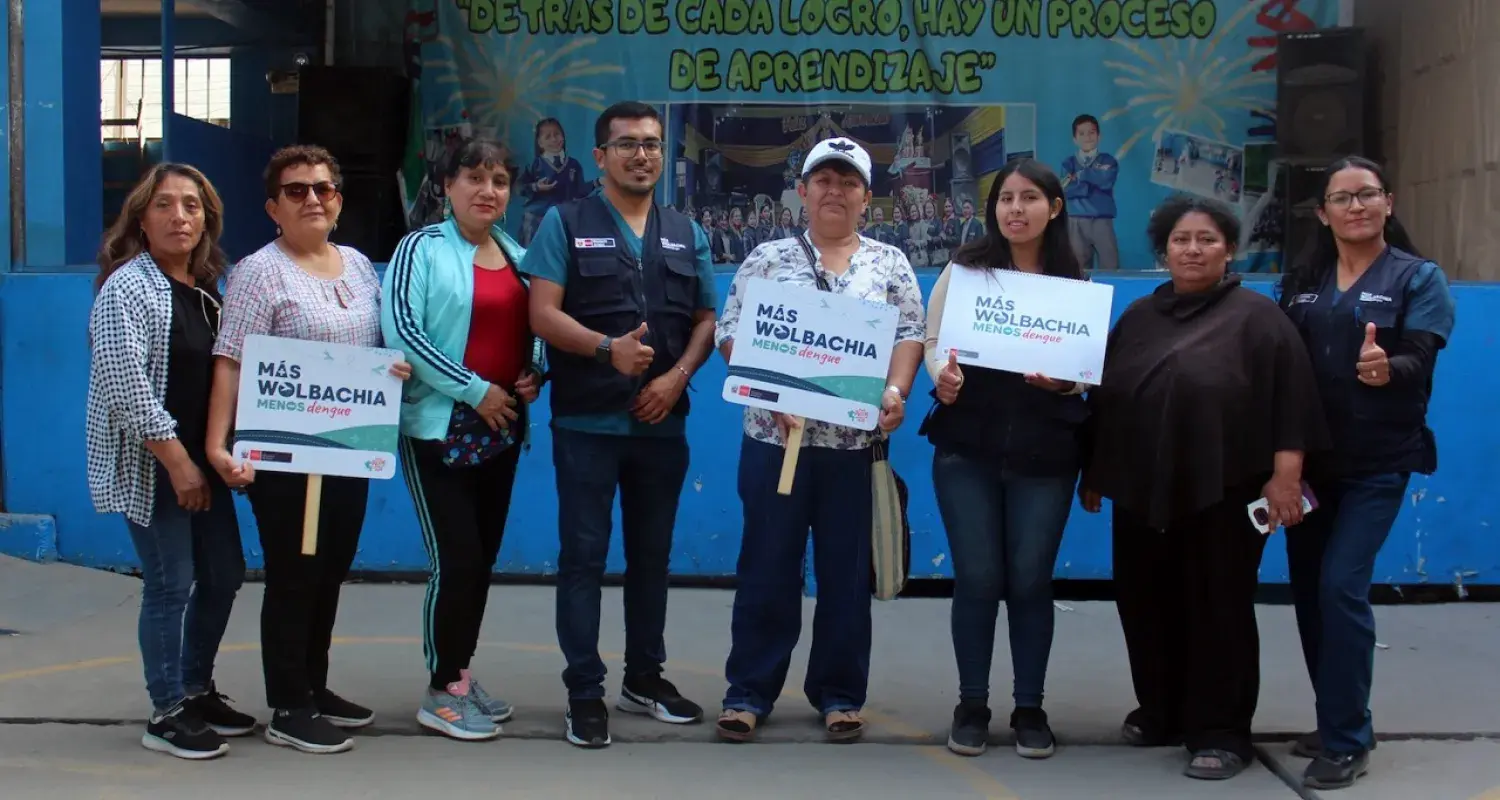
People in the community clearly understand this approach. "You can tell this is not an experiment, but something meant to protect us," says Mirna, a community leader from Zone 4 in Comas. "Knowing that it has worked in countries like Australia, Mexico, Brazil, and Colombia makes me grateful for how the Ministry of Health is informing us and working to protect us." For school principals, health promoters, and neighbourhood leaders, the plan's value also comes from clear information and from involving communities as active partners in the solution.
Sharing knowledge in this way helps ensure that the programme can continue in the future without relying on a permanent international presence. Instead, it strengthens the public health system — from national authorities and regulators to health promoters working directly in communities.
"We have been fighting dengue for many years," explains Isabel Alarcón, an officer of the Incident Management System for the Wolbachia Plan. "Learning about a natural method with a strong focus on community participation, and working closely with the Ministry of Health, helps us understand it and adapt it to our local reality."