Brumadinho made global headlines in January 2019 when a mining dam collapse killed 272 people and devastated the surrounding region. Now, as part of a landmark reparations investment, our Wolbachia method is bringing long-term protection from mosquito-borne disease to the communities of the Paraopeba River Basin.
It was shortly after noon on 25 January 2019 when 11.7 million cubic metres of mining waste - enough to fill almost 5,000 Olympic swimming pools - came hurtling down towards the small municipality of Brumadinho, home to roughly 37,000 people.
The dam, owned by mining company Vale, collapsed at the Córrego de Feijão site, sending toxic mud surging more than five miles downhill. Crushing homes, offices and people in its path, the mud reached the Paraopeba River, threatening areas downstream with toxic pollution. It was an unprecedented tragedy, killing 272 people and devastating local communities. In Brumadinho, many agricultural areas were affected or totally destroyed, with widespread loss of livestock. The socioeconomic and environmental impacts remain visible today.
Following lengthy investigations, the Government of Minas Gerais and the Justice Institutions agreed to invest more than R$760 million in healthcare for the municipalities affected by the dam collapse.
This included a new health complex in Brumadinho, as well as improved access to healthcare services and upgraded facilities in another 25 local municipalities. Health policies have since been strengthened, and the state has invested in the fight against mosquito-borne diseases such as dengue, Zika, and chikungunya, including the construction of a Wolbachia biofactory in the Gameleira neighbourhood of Belo Horizonte.
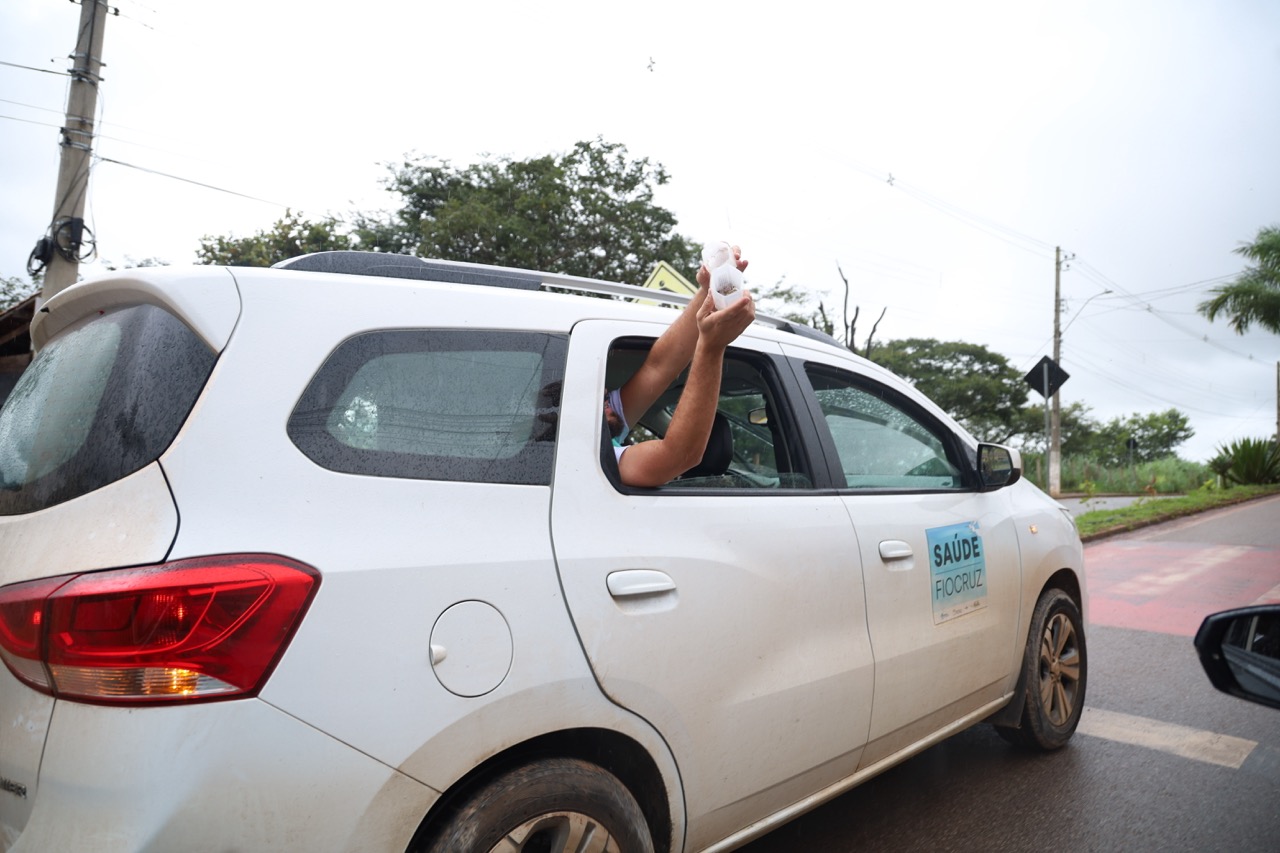
Run by the State Health Secretariat in partnership with Fiocruz and WMP Brasil, the facility will produce around two million Wolbachia mosquitoes - known locally as Wolbitos - per week.
The fight against mosquito-borne diseases in Brumadinho
Earlier this month, WMP Brasil's major five-year project in the Paraopeba River Basin launched, with Brumadinho the first of 22 municipalities scheduled to release Wolbachia mosquitoes. The project will protect more than 1.1 million people over five years, covering roughly 350km².
The Secretary of State for Health, Fábio Baccheretti, said the start of the operation represents a historic advance in public health in the region.
"Today is a historic day for Minas Gerais, because a new tool arrives to reinforce the fight against dengue, chikungunya, and Zika. We intend to drastically reduce the number of cases in the state. This year we will have more controlled indicators and we will advance in confronting a disease that has impacted the population for decades."
The municipal health secretary of Brumadinho, Cintia Pedrosa, added: "By reducing the incidence of arboviruses, we avoid overloading health services and guarantee more qualified care for the population."
Be Part of the Solution: Join Our Community
Discover how we’re transforming lives and combating mosquito-borne illnesses globally. Sign up for exclusive insights and updates delivered straight to your inbox.
Wolbachia expansion continues across Brazil
Brazil's first releases of Wolbachia mosquitoes began in September 2014 in Rio de Janeiro. Large-scale deployments followed three years later. Our Wolbachia method now protects more than six million people across 29 cities, including Niterói, Rio de Janeiro, Londrina, Foz do Iguaçu, Campo Grande, Joinville, Belo Horizonte, and Petrolina.
WMP Brasil projects are also under way in Uberlândia and Natal, while the second phase of releases is starting this month in Presidente Prudente. Other municipalities where Wolbito do Brasil is currently implementing include Balneário Camboriú, Blumenau, Valparaíso de Goiás, Luziânia, and the capital, Brasília.
WMP Brasil's team leader, Eliane Moreira, highlights the efforts of the whole team and emphasises the role of science in protecting lives and supporting communities.
"The initiative in the Paraopeba River Basin represents an important step forward in actions aimed at promoting health and improving the quality of life of the affected communities. The moment was especially significant because of the role the project plays in the reparation process in Brumadinho and throughout the basin, reinforcing the commitment to science-based solutions and the protection of communities."
Alexandra Andrade, representative of the Association of Families of Victims and Those Affected by the Brumadinho Dam Collapse (Avabrum), emphasised the symbolism of the initiative.
"It is gratifying to know that Brumadinho is the first city to receive the project. The mosquito with Wolbachia helps reduce cases of dengue and represents concrete care for the health of the population."
Eliane adds: "This was more than just a launch event; it was a public recognition of collective work, built daily with dedication, responsibility, and commitment."
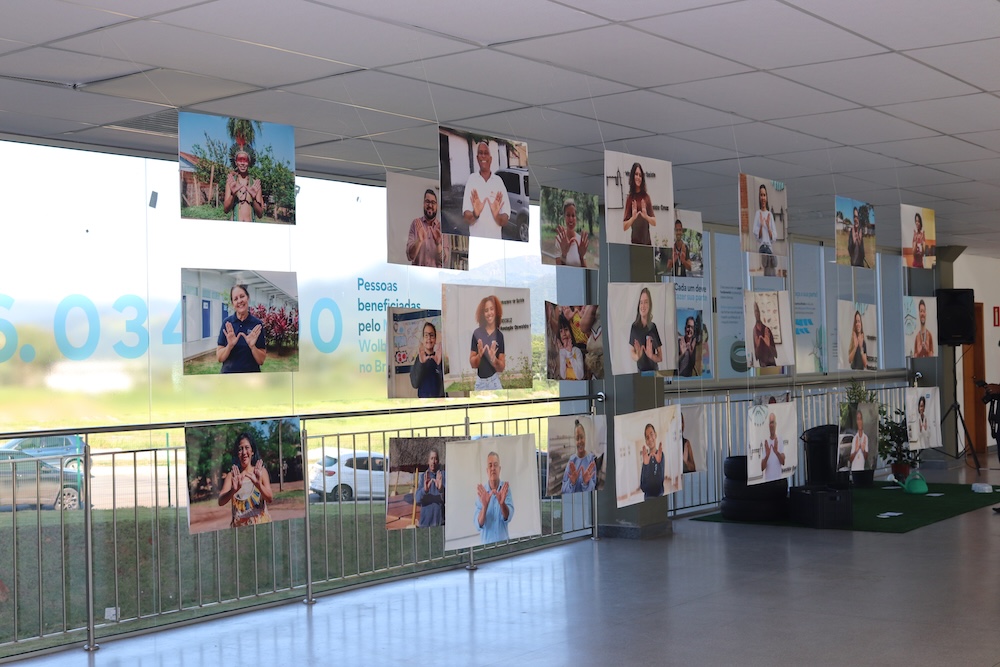
Wolbachia touring exhibition launches
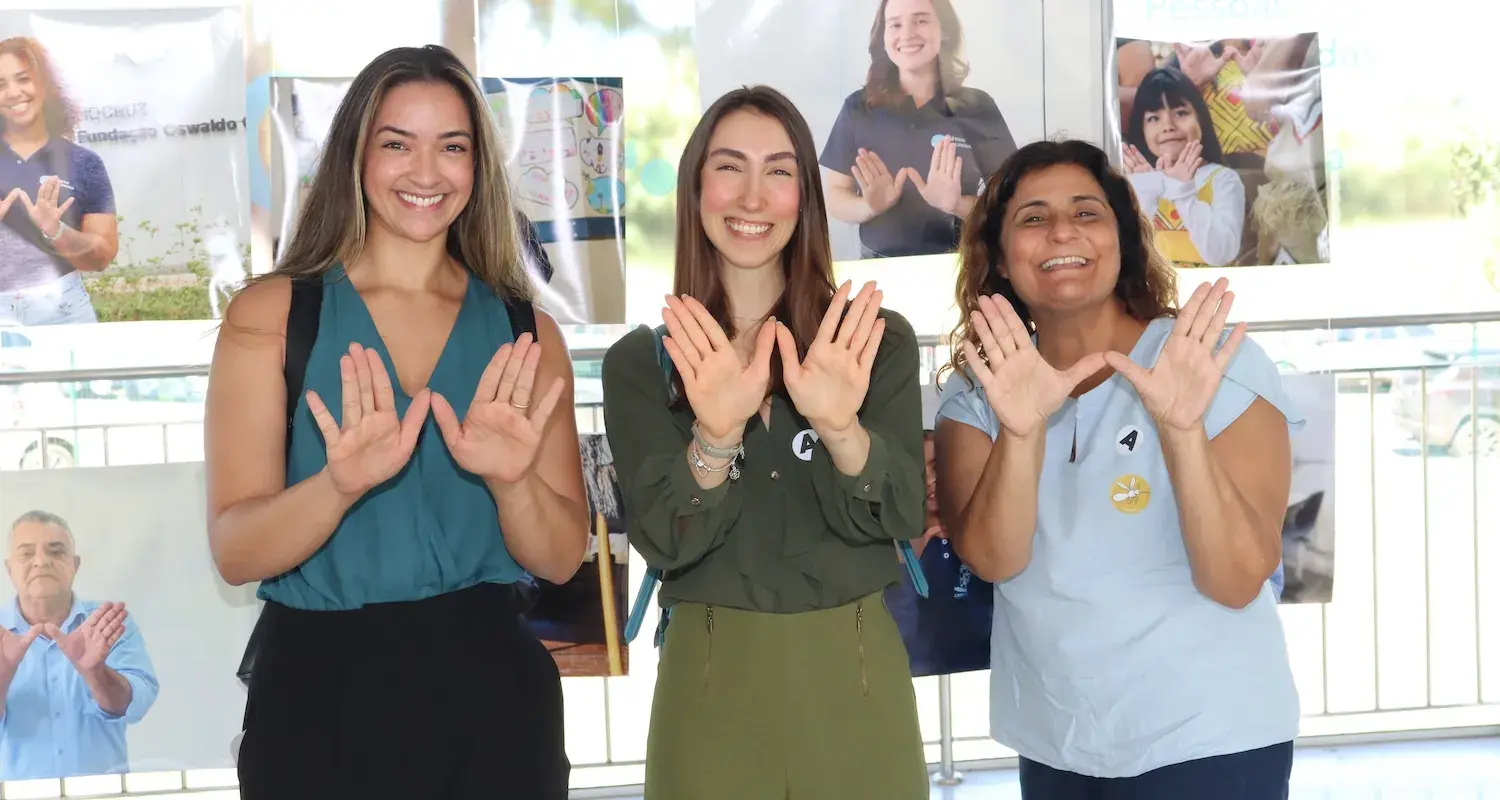
The event also marked the launch of a touring exhibition highlighting our Wolbachia method. It invites the public to explore the collective efforts of researchers, field agents, and community members, showing the different stages of production and Wolbachia mosquito releases.
Juliana Silveira, communications coordinator at WMP Brasil, describes the exhibition's central idea:
"At the heart of this exhibition's narrative is the Wolbachia method, a solution that transforms the mosquito itself into an ally of public health, reducing the transmission of diseases such as dengue, Zika, and chikungunya."
The exhibition presents the faces and stories of both staff and communities involved in the programme, alongside evidence-based data on the impact achieved in several Brazilian cities. Its target audience includes the general community, students, healthcare professionals, and public administrators.
"The exhibition aims to broaden understanding of the Wolbachia method in an accessible way and bring science closer to people," adds Juliana.
Brumadinho is the first city to host the exhibition, which will be on display in the hall of the Administrative Centre until 10 April. It will then travel to the city of Mário Campos and, over the five-year Paraopeba Project, will visit all 22 participating cities.