| World Mosquito Program Skip to main content

Joinville progress gives community hope

Written by: Alex Jackson | Published on: 13

For Noel Maciel Junior, dengue fever isn't just a public health statistic - it's personal. The business manager has watched friends lose their lives to the disease whilst others struggled to find hospital beds during outbreaks. As he manages his artisan coffee house, Torrefação Joinville - Cafés Nobres, in the heart of the city, Noel has witnessed first-hand how mosquito-borne diseases have devastated his community. But now, thanks to our Wolbachia method, there's renewed hope in "The City of Flowers".

"Dengue here in Joinville has had a very strong effect on people," says business manager Noel Maciel Junior. "I have friends who ended up losing their lives because they contracted the virus, and others who got really sick and had trouble finding a hospital bed to be admitted to. We've had people very close to us suffer real badly."

Noel manages the artisan coffee house in Vila Prinz, Torrefação Joinville - Cafés Nobres, right at the heart of the city often called "The City of Flowers", due to its array of beautiful gardens and parks, as well as its stunning location close to mountains and lush green valleys. Joinville, a city of roughly 600,000 people in southern Brazil's Santa Catarina state, has in recent years witnessed a number of devastating mosquito-borne outbreaks.

Noel says he learned about the project through watching the news, along with the strong support by the city mayor. He's seen first-hand how Joinville has been impacted by diseases like dengue.

"Dengue has effectively caused a lot of damage to the local population," he says. "Because it's a disease that leaves people very debilitated. Many workplaces had staff shortages as a result. We've had this in our business, and the local health system simply couldn't handle the demand of people who needed medical care. It has meant great suffering for the city."

Wolbtio do Brasil volunteer
 

Protecting 75% of the city's population

When the first phase of Wolbachia (known as Wolbito in Brazil) mosquito releases started in August 2024, Joinville was still reeling from a dengue epidemic which had impacted many parts of the city. During this phase, roughly 360,000 residents in 17 neighbourhoods were protected by WMP’s Wolbachia method.

The second phase, led by Wolbito do Brasil, will reach almost 75 per cent of the city’s population, covering a further 15 neighbourhoods and 150,000 people. In-person and virtual events have taken place across the city, including in schools, to share information and answer questions on the releases, alongside work with public representatives, local neighbourhood associations, and targeted campaigns through both digital media and news outlets.

Early results from the first phase have shown great promise and Noel believes there is already much hope for the future.

“What we can see is the incidence of the disease in the population has really decreased a lot,” exclaims Noel. “The dengue mosquito is no longer acting so violently, so drastically on the city. Things are calmer in Joinville, particularly in the hospitals, and I believe the impact of the project has already started to show in some ways. There are less cases of people contracting dengue.”

Be Part of the Solution: Join Our Community

Discover how we’re transforming lives and combating mosquito-borne illnesses globally. Sign up for exclusive insights and updates delivered straight to your inbox.
Zero deaths and dramatically fewer cases

Cases have so far this year severely dropped, as have dengue-related deaths, which between 2023 and 2024 were 86. There have currently been none so far this year.

Noel was in the right place at the right time to witness releases in the flesh this week.

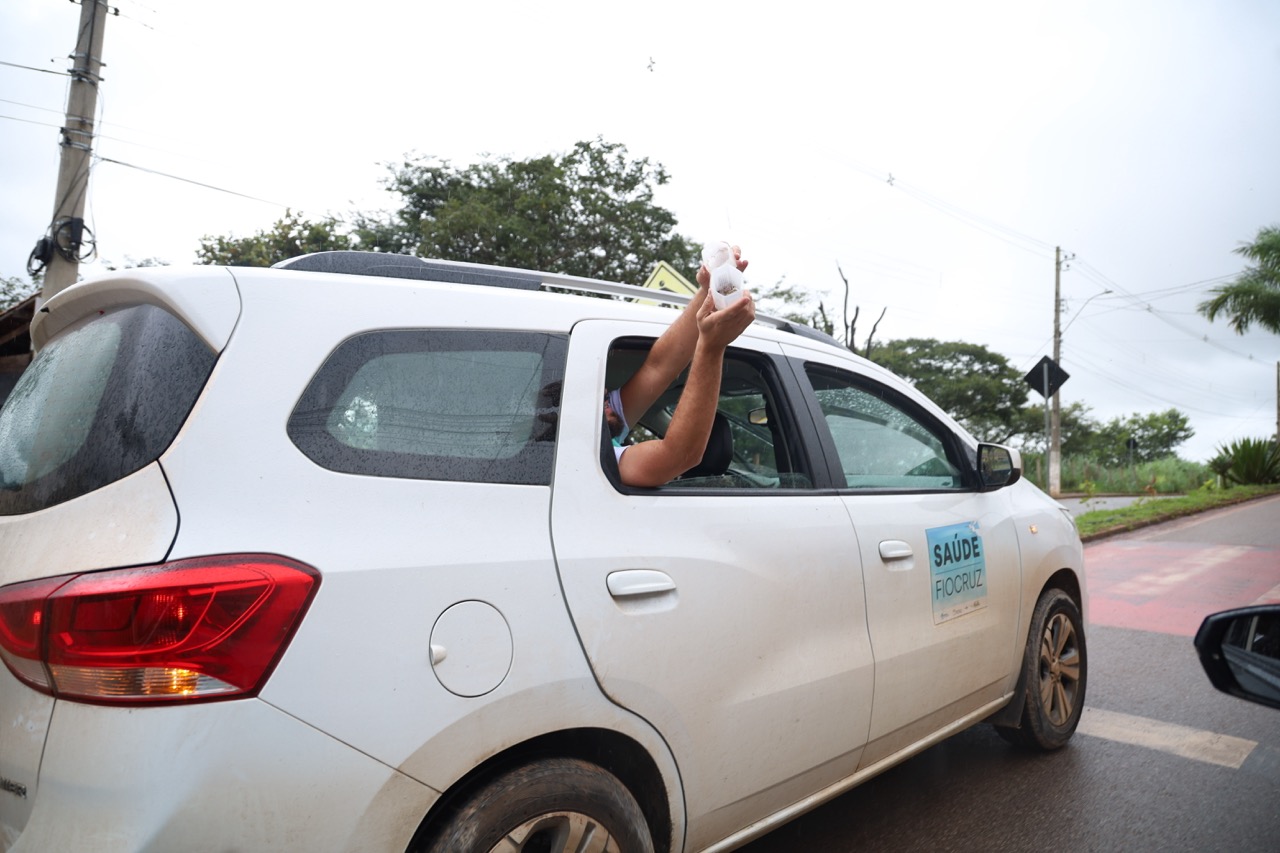
"Yesterday I had the opportunity to personally see the work of people who carry out the dissemination of Wolbachia mosquitoes, because the car in front of me in the city centre traffic was opening their window, distributing mosquitoes. The stickers on the vehicle confirmed it was the (Wolbito do Brasil) releasers at work."

Noel recalls the words of the mayor at the time the releases were first being introduced to the city. He says Joinville was viewed as a test case to see if this would really work in southern Brazil.


Arial photo of Joinville

Hope for Brazil's future

The business manager, grinding coffee beans in his very hip surroundings, believes "the experiment" has so far worked very well. "My future expectation is that this spreads throughout Brazil, because we have regions that desperately need it and have much more serious problems," he adds. "So my hope is that this project works very well here in Joinville and that soon it reduces the entire incidence of dengue in the national population."

Joinville leads southern Brazil's fight against mosquito-borne diseases

Written by: Alex Jackson | Published on: 13

In southern Brazil's Joinville, health agents battle mosquito-borne diseases with an innovative approach. The city's second phase of Wolbachia mosquito releases now protects nearly 75 per cent of residents, following first-phase results that showed a 90 per cent reduction in dengue cases. From early morning releases to biofactory operations, the programme brings hope to communities that have suffered devastating outbreaks.

Even by Joinville standards, the frenetic rain is biblical today. Often nicknamed "rainville" by locals, due to being one of the wettest cities in Brazil, verdant Joinville is surrounded by beautiful mountains and lush green valleys.

Despite what the elements may have in store for us, nothing has dampened the mood in a small city biofactory brimming with energy in the early hours. Fuelled by dangerously strong black coffee and armed with crates of mosquito jars, a handful of health agents fill their vehicles ready for releases, as sunrise draws near. In high spirits, the team set off for their two rounds of Wolbachia (known as Wolbito in Brazil) mosquito releases in different parts of Joinville.

Wolbachia expands to Balneário Camboriú and Blumenau

Just days earlier, the bustling Reginaldo de Souza Kock Auditorium was filled with delegates, government representatives, scientists, media and film cameras, for the announcement of the second phase of mosquito releases in the city, alongside further releases in neighbouring Balneário Camboriú and Blumenau.

"The arrival of our Wolbachia method is a fundamental reinforcement in protecting our population," emphasises Aline Leal, Health Secretary of Balneário Camboriú. "This is a safe strategy for people, animals, and the environment, which complements the prevention measures already adopted. We are confident in the results."

Priscila Ferraz, Vice President of Production and Innovation in Health at Fiocruz, adds: "The continued implementation of our Wolbachia method in Santa Catarina represents a benefit for the entire population of the three municipalities, which have been experiencing high dengue transmission in recent years."

Endemic Control Agent releases mosquitoes from a car for world mosquito program
 

90% dengue reduction after Joinville releases

The first phase of releases in Joinville last year covered 17 neighbourhoods protecting roughly 360,000 residents, and early results have shown great promise. This second phase, led by Wolbito do Brasil, will reach almost 75 per cent of the city's population, covering a further 15 neighbourhoods and 150,000 people.

Lúcia Jordan, the sole female releaser and endemic control agent in the team, with Giulia Cattini in the driving seat, are the dream team. As they loop around an area north of the city, onlookers watch with curiosity and interest as Lúcia shakes the container out of the window to release Wolbachia mosquitoes into the local environment. In Joinville, dengue wasn't much of a concern to residents until recent years, as climate change has helped bring mosquito-borne diseases to the south of the country.

Be Part of the Solution: Join Our Community

Discover how we’re transforming lives and combating mosquito-borne illnesses globally. Sign up for exclusive insights and updates delivered straight to your inbox.

Four days a week, Lúcia rises early and prepares for the releases in the city. She started as an endemic agent in 2023, shortly after suffering from dengue, and wanted to learn more about the country's efforts to reduce mosquito-borne diseases.

"I had dengue just a few weeks before starting to work in environmental surveillance," she says. "It was very hard. A week with lots of pain, no appetite, and a high fever. So from that moment on, when I learned about the Wolbachia project, I decided that I would also fight against this disease."

Lúcia says many people are interested and come to talk with her during releases to ask questions and understand what she's doing, but admits the reception is largely positive.

"While I am releasing the mosquitoes, I feel happy, because to me it is as if I am saving lives — every mosquito that goes out is meant to improve the environment, to stop dengue, and other diseases like Zika and chikungunya."

After the first round of releases, a quick tactical stop for more rocket fuel coffee and to re-fill the cars at the biofactory is needed, before the second releases come to an end around 9.30am.

Bringing hope after dengue epidemic

Photo of Tamila - employee of Wolbito do Brasil

Tamila Kleine managed the first phase of releases in Joinville and is now regional coordinator of implementation at Wolbito do Brasil. She recalls how badly the community had suffered from mosquito-borne diseases when the project was first introduced to the city.

"When our Wolbachia method arrived in the municipality of Joinville, the region was going through a huge impact related to dengue," emphasises Tamila. "We were coming from a dengue epidemic, with many cases and a high number of deaths. So, the arrival of the method also brought some hope after the implementation of the first phase.

"In Joinville, our Wolbachia method has always had very good acceptance. The first phase had a very positive reception from the population, which has already seen some results from phase one and is eagerly waiting for the releases. Compared to the pre and post-Wolbachia periods, we had a huge reduction in cases, around 90 per cent reduction of dengue cases. However, it is still very recent. We cannot prove that it is solely because of Wolbachia, but it's certainly part of this positive result, along with all the other services and activities carried out by the city's Environmental Surveillance."

Prior to the project starting in Joinville, Tamila was already working on dengue research in the municipality and also focusing more broadly on zoonotic diseases. However, dengue soon became a little more personal.

"The danger of this disease and the fear that someone in my family could get it, someone from my group of friends, from my community. I'm from here. I think it's an even greater motivation to keep going. I'm very happy with everything we managed to achieve last year here in Joinville. Working with our Wolbachia method, having this opportunity. It was something really rewarding for me."

The team protecting Joinville from mosquito-borne diseases

Alvino Rodrigues agrees with Tamila's sentiment. As the regional coordinator in Joinville, he oversees a small team, ensuring production and field operations all run as expected. With a background in Chemistry, Alvino has worked in many multinational companies coordinating laboratory operations and data analysis. He emphasises the importance of community engagement in the preparation phase alongside rigid planning of release routes, the numbers of releasers / cars needed, and potentially adverse weather conditions.

"The diseases that we face with Aedes aegypti here in Brazil are big," he says. "So everyone knows or has had a relative who has suffered from dengue, chikungunya or Zika. The opportunity to work and solve this problem, to minimise the (disease) incidence and improve the health of the population as a whole is extremely motivating for me. It's really impacted me in a good way, and that's why I am proud to work in this way."

Alvino believes the impacts of the programme affect many parts of society, from people's livelihoods to the health system.


Picture of Alvino Rodrigues working with the World Mosquito Program


"Once we minimise the number of deaths or people taken ill, you reduce not only the emotional impact on families, but help take the pressure off the health system, so you can move efforts to other diseases or problems. The fewer people that are sick, the more people you have working and buying, so there's also a big positive impact on the economy.

"Once we have released Wolbitos in the communities, the number of deaths and people needing health services reduced dramatically. It's a bright future for sure and shows the true positive impact of science."

Five million Brazilians now protected by Wolbachia

Wolbtio do Brasil volunteer
 

Joinville joins a host of other cities in Brazil to have implemented WMP's Wolbachia method. The country's first releases of Wolbachia mosquitoes began in September 2014 in Rio de Janeiro. Large-scale deployments in the country followed three years later. WMP's Wolbachia method now protects more than five million people in eight cities including Niterói, Rio de Janeiro, Londrina, Foz do Iguaçu, Campo Grande, Joinville, Belo Horizonte, and Petrolina. It is also being currently implemented in Presidente Prudente, Uberlândia, and Natal.

Other municipalities which recently started releases with Wolbito do Brasil, include Valparaíso de Goiás and Luziânia, Goiás; and Brazil's capital city, Brasília. Each is chosen through a careful selection process by the Ministry of Health, and implementation has the strategic support of Fiocruz.

Wolbito do Brasil, the world's largest biofactory breeding Aedes aegypti mosquitoes with Wolbachia, is also fully up and running in Curitiba, just two-hours drive from Joinville. The joint venture between the World Mosquito Program (WMP), Fiocruz, and the Institute of Molecular Biology of Paraná (IBMP), will see more than 100 million mosquito eggs per week, and help dramatically expand access across Brazil to Wolbachia mosquitoes.

Tamila is very positive about the future ambitions of the project. "With the arrival of Wolbito do Brasil and the possibility of bringing Wolbitos to the entire Brazilian population, I can only see salvation, reassurance, and that we can truly serve the whole country," she adds.

Fighting Dengue: Lúcia's Wolbachia Mission

Written by: Alex Jackson | Published on: 6

In Joinville, Brazil, endemic control agent Lúcia Jordan releases Wolbachia mosquitoes four days a week as part of an expanding effort to combat dengue. After surviving the disease herself, she now helps protect nearly 75 per cent of her city's 600,000 residents. Early results show dramatic impact, with dengue deaths dropping to zero following our Wolbachia method deployment.

“While I am releasing the mosquitoes, I feel happy,” says Lúcia Jordan. “Because to me it is as if I am saving lives — every mosquito that goes out is meant to improve the environment, to stop dengue, and other diseases like Zika and chikungunya.”

Four days a week, Lúcia rises early in the morning and heads to a small biofactory perched on a steep hill in the centre of Joinville, a city of roughly 600,000 people in southern Brazil’s Santa Catarina state, known for its manufacturing and industrial heritage.

Until recent years, Joinville hadn’t been too severely impacted by mosquito-borne diseases, but as climate change lengthens the mosquito season and accelerates the speed at which the world’s deadliest creature expands its geographical range, the city, along with others in the south of the country, has seen a number of devastating outbreaks in the past few years.

When the first phase of Wolbachia (known as Wolbito in Brazil) mosquito releases started in August 2024, Joinville was still reeling from a dengue epidemic which had impacted many parts of the city.


Sorting mosquitoes out before release


From Dengue Survivor to Disease Fighter

Lúcia knows what it’s like to suffer from dengue as she contracted the virus a year before the project began, and just days before starting a new role as an endemic control agent.

“I had dengue just before starting to work in environmental surveillance,” she says. “It was very hard. A week with lots of pain, chills, no appetite, headaches, and a high fever. It felt as if my head was swollen.

“So from that moment on, when I learned about the Wolbachia project, I decided that I would also fight against this disease.”

Lucia standing next to her car before going to release mosquitoes
 

Each morning, as the sole female releaser on the team, Lúcia joins Giulia, in the driving seat, and they head off on a set route. As they stop at designated release points guided by an app, onlookers watch with curiosity and interest as Lucia shakes the container out of the window to release Wolbachia mosquitoes into the local environment.

"Our daily routine starts at 6am. We load the cars and head to our designated neighbourhood, avoiding traffic in the early hours," says Lúcia. "Some days we have just one route and others we do more, but are usually finished by 9.30am, and often help production staff afterwards by draining tubes."

Lúcia says many people are interested and come to talk with her during releases to ask questions and understand what she's doing, but admits the reception is largely positive.

Be Part of the Solution: Join Our Community

Discover how we’re transforming lives and combating mosquito-borne illnesses globally. Sign up for exclusive insights and updates delivered straight to your inbox.

"There's a lot of curiosity in the streets when I'm releasing mosquitoes. Many people stop and ask why we're doing this, and very occasionally this is negative. But most of the time the reaction is positive, because many already know about the project and have information from the internet or events.

"With family and friends, I always try to explain clearly about the Wolbachia bacteria, that it is found in 50 per cent of insects. People need to understand why this is happening. And it's well accepted."

Protecting Nearly 75% of Joinville's Population with Our Wolbachia Method

The first phase of releases in Joinville last year covered 17 neighbourhoods protecting roughly 360,000 residents, and early results have shown great promise. This second phase, led by Wolbito do Brasil, will reach almost 75 per cent of the city’s population, covering a further 15 neighbourhoods and 150,000 people.

Lúcia emphasises the early results from the first phase offer hope for the city.

“In Joinville, the project has had a very big impact. From 2023 - 2024, we had 86 deaths from dengue,” she reflects. “So, it is very significant to know that today the city has no deaths. And it’s thanks to this project, as well as the population being more aware to take care of their yards and not leave standing water.”

outside shot of the wolbito do brasil bio factory
 

Scaling Wolbachia Mosquito Releases Across Brazil

After a first round of releases and just before re-filling the cars for round two, Lúcia pauses for thought and contemplates the ambition of the project in the country.

"I see it like this — (Wolbachia can) not only benefit Joinville, or the neighbourhoods where we're already in the second phase, but all municipalities of Santa Catarina, and even all of Brazil," she concludes.

"This is a project that has already proven to work. For me, I feel very happy to be part of this project."

Kiribati Expands Wolbachia Program to Tackle Dengue

Written by: Alex Jackson | Published on: 10

Kiribati is intensifying its fight against mosquito-borne diseases like dengue by expanding the World Mosquito Program’s Wolbachia method. This community-supported public health initiative is especially vital as climate change and insecticide resistance escalate disease risks across the Pacific. The project aims to protect nearly 45,000 people in South Tarawa.

Mosquito-Borne Diseases on the Rise in the Pacific

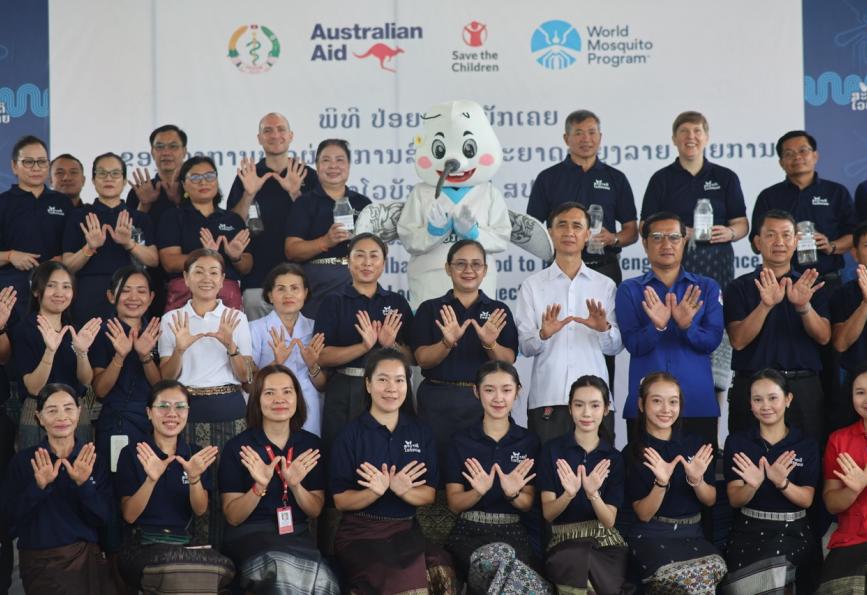
In a sea of blue and white banners, balloons and posters, a group of young dancers from the Red Cross Youth Group take centre stage to perform a traditional dance. It is one of many moments that help create such a vibrant celebration marking the start of the World Mosquito Program’s (WMP) second phase of Wolbachia mosquito releases in South Tarawa, Kiribati’s capital, and home to more than half the country’s population.

Pictures from the opening ceremony of the World Mosquito Program's phase 2 in Kiribati

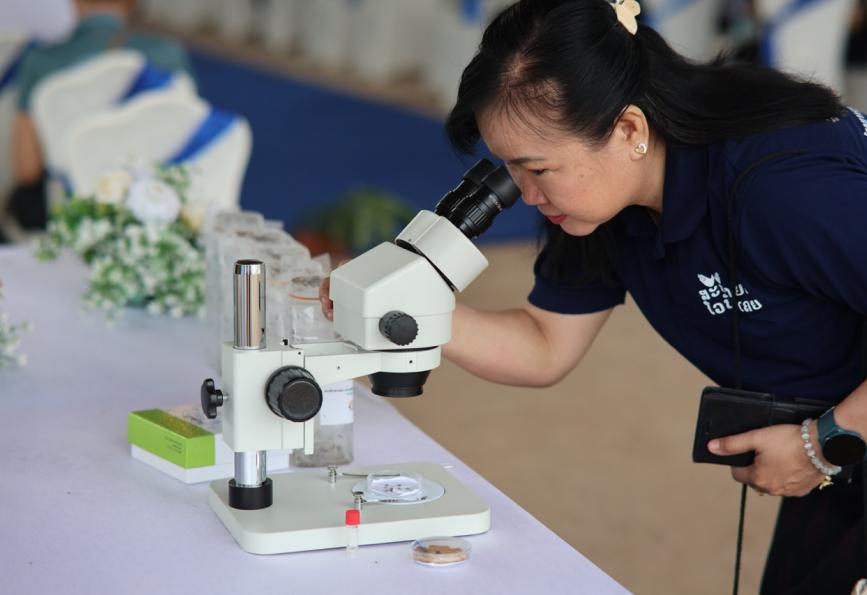
The public launch event reflects Kiribati’s close-knit community spirit, with representatives from international agencies including the World Health Organisation and UNICEF, as well as local disability and women's advocacy groups, NGOs, and not forgetting President Taneti Maamau, all in attendance. Chatter fills the air as exuberant music gives way to live comedy, formal speeches, a cake-cutting, and an array of delicious local foods, as well as the opportunity to take a closer look at mosquitoes through a microscope.

Kiribati
 

Climate Change and Its Role in Dengue Transmission

It has been more than seven years since WMP partnered with the Kiribati government to bring its Wolbachia method to local communities on the island country, which is made up of 33 atolls, and occupies a huge area in the equatorial Pacific - almost 4,000km from east to west and more than 2,000km from north to south. Home to the South Pacific’s largest marine reserve, many of the atolls are very low-lying and inhabited.

The country knows too well the impacts of climate change and global warming as rising sea levels threaten communities and livelihoods, and also accelerate the spread of mosquito-borne diseases. Dengue, Zika and chikungunya have a long history in the Pacific, and this year has seen a relentless surge of dengue with Samoa, Fiji, Tonga and the Cook Islands all declaring outbreaks. All countries apart from the Cook Islands have recorded at least one death.

Be Part of the Solution: Join Our Community

Discover how we’re transforming lives and combating mosquito-borne illnesses globally. Sign up for exclusive insights and updates delivered straight to your inbox.

“Dengue fever is the world’s most prevalent disease spread by mosquitoes,” says Dr Greg Devine, WMP’s Senior Director of Field Entomology. “Cases are increasing across the Western Pacific and South East Asia. All of these countries experienced significant dengue outbreaks in 2024 and 2025, and the general trend in cases globally is relentlessly upwards.

“These increases are fuelled by climate change, increasing globalisation and immunological naïveté, where human populations are being exposed to new dengue serotypes, alongside the limited impact of existing control measures.”

Dengue fever is the world’s most prevalent disease spread by mosquitoes. Cases are increasing across the Western Pacific and South East Asia. All of these countries experienced significant dengue outbreaks in 2024 and 2025, and the general trend in cases globally is relentlessly upwards.
Dr Greg Devine
Senior Director, Field Entomology at the World Mosquito Program
Portrait of Greg Devine at the World Mosquito Program

How Kiribati Is Using Wolbachia to Prevent Dengue

Funded and supported by the Australian government, WMP’s project was rolled out in high-risk communities across South Tarawa, including Betio and Bairiki, between June 2018 and June 2019. The first phase of the project saw almost 3,150 volunteers take part in a range of community engagement activities to raise awareness. This included helping release mosquitoes, hosting bug traps and promoting the project, which resulted in a 97% acceptance rate in the capital.

The second phase will build on this success and expand Wolbachia coverage to the remaining densely populated areas of South Tarawa over a 14-month period starting this summer, protecting almost 44,650 people.

WMP in Kiribati
 

Community Backs Mosquito Control Effort

“The successful launch of Kiribati phase two marks a major step forward in protecting the people of South Tarawa from dengue, Zika and chikungunya.” says Darren Stanford, WMP’s Field Entomology Manager overseeing the project in Kiribati.

“The dedication of the Kiribati WMP team and the strength of community and government partnerships are laying the groundwork for a healthier, safer future for the people of Kiribati.”

Why Sustainable Mosquito Control Matters for Public Health

Long-term monitoring from phase one with the Kiribati Ministry of Health and Medical Services has shown extremely positive results. Devine says responses to dengue outbreaks largely involve the application of insecticides and the implementation of environmental “clean-up” campaigns, but he believes these have limited long-term impacts.

“Resistance to insecticides is increasingly documented in the Pacific, and this further reduces the impact of conventional vector control,” he notes. “The upward trend in dengue case numbers regionally will inevitably stress public health systems and impact family well-being (through both the health and economic costs of hospitalisation and the lost earnings of the sick).

“Sustainable ways to combat dengue, such as the Wolbachia method, are desperately needed. Vaccines are still years away from being universally affordable and applicable.”

As festivities at the launch event come to a close, there is a huge sense of optimism in South Tarawa that they may one day see a community free from mosquito-borne diseases.

Bringing Hope to Timor-Leste: Fighting Dengue with our <i>Wolbachia</i> Method

Written by: Alex Jackson | Published on: 19

In Dili, Timor-Leste's coastal capital, dengue fever has devastated families like Elsa Pinto's for years. But a groundbreaking collaboration between the World Mosquito Program and local partners is set to change this narrative. By introducing Wolbachia mosquitoes—a safe, natural solution—to the region, this initiative aims to protect 240,000 people from dengue and other mosquito-borne diseases, offering renewed hope to a community long plagued by preventable suffering.

The Human Cost of Dengue in Timor-Leste: Elsa's Story

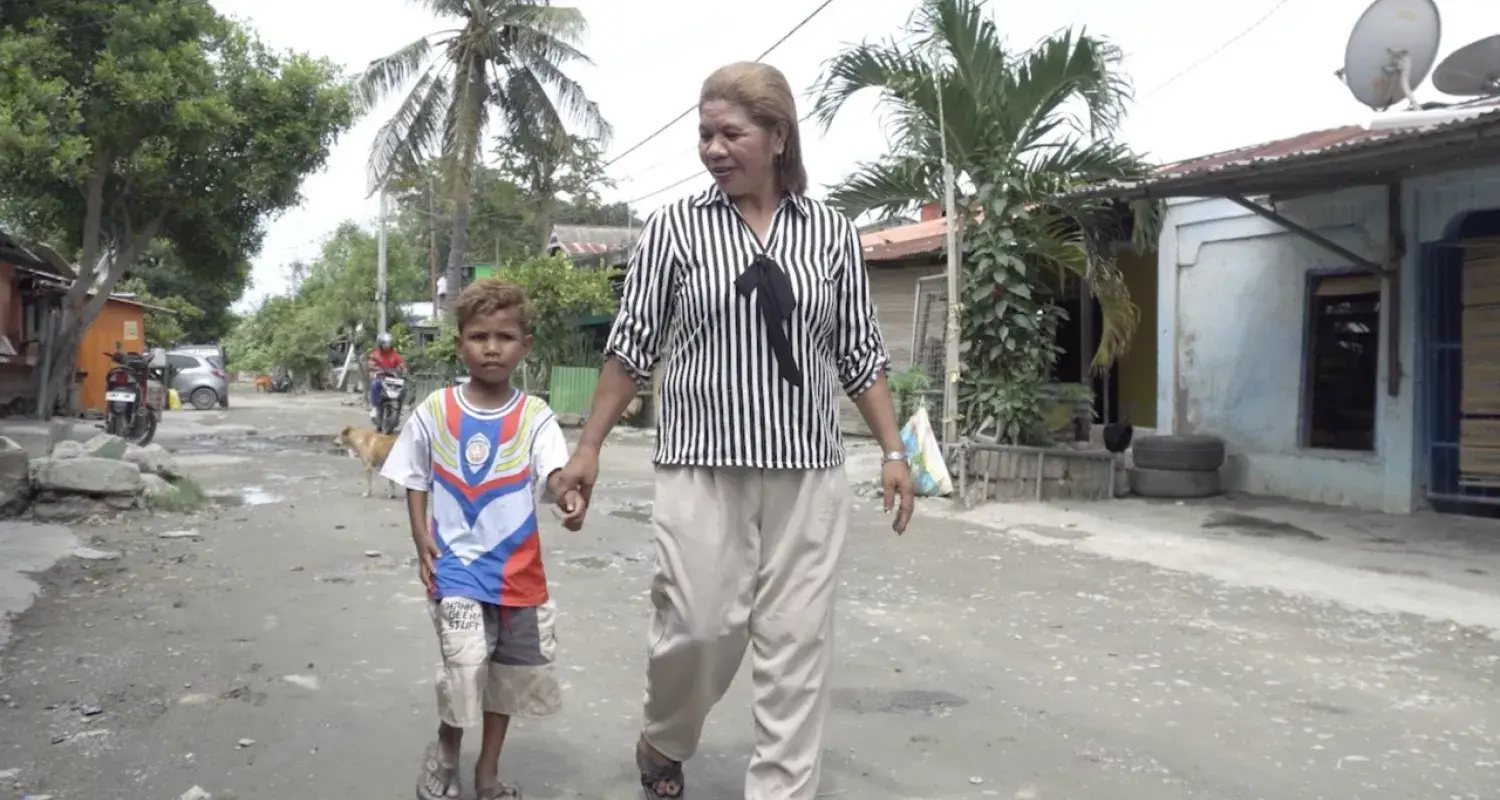
Elsa Fernandes Pinto recalls the rollercoaster of emotions when her second child got dengue in 2015. There was the high fever, the loss of appetite, rashes, nosebleeds, and vomiting.

"Our family is a victim of dengue fever," Pinto says, perched outside her home in a leafy neighbourhood in Dili, Timor-Leste's coastal capital.

Since her first encounter with dengue, all three of her children have been impacted by the disease, with her youngest most recently hospitalised in 2021.

Community members from Timor Leste - mother and her children talking about dengue
 

Timor-Leste's Dengue Challenge: A Nation at Risk

Dengue is an increasing public health concern in Asia's youngest nation, with several major epidemics reported in the last 10 years. In 2022, the country which is home to 1.4 million people, saw a huge surge in dengue cases with over 5,600 cases and 58 dengue-related deaths. So far this year, Timor-Leste, also known as East Timor, has seen more than 500 cases and two deaths.

Pinto says the "huge impact" of dengue is not only seen on her children's health but also has repercussions on household income. She has had to stop working to take care of her children each time they have suffered from dengue.

"When there's registered dengue cases in Dili, our village is always included," she says. "My family and our community is devastated because it causes deaths and great suffering."

Be Part of the Solution: Join Our Community

Discover how we’re transforming lives and combating mosquito-borne illnesses globally. Sign up for exclusive insights and updates delivered straight to your inbox.

A Collaborative Approach: Four Organisations, One Mission

"Each year, we use vector control like fogging, educational promotion and awareness to the communities," says Mateus Pinto, Director of Dili Municipal Health Service. "But dengue cases are still registered annually."

Mateus is putting his faith in a new collaboration he believes will have a hugely beneficial impact on the capital.

It will see the World Mosquito Program (WMP), Timor-Leste Ministry of Health (MoH), Action on Poverty (AOP) and the Menzies School of Health Research join forces to address the threat of dengue and other mosquito-borne diseases in the country.

The project, supported by the Australian government through the Australian NGO Cooperation Program (ANCP) and the Macquarie Group Foundation, will see the release of Wolbachia mosquitoes – a safe, natural and effective method for preventing mosquito-borne diseases – in Dili.

Timor-Leste has some of the most significant marine resources in the world, yet remains one of the least visited countries in the world. The country, ringed by coral reefs and home to more than 20 languages and dialects, only gained full independence in 2002, after years of occupation and guerilla warfare, which are chronicled in Dili's Resistance Archive and Museum. In recent years, mosquito-borne diseases have plagued communities and Mateus says new measures are more than welcome.

Group photo of community leaders working with the World Mosquito Program in Dili East Timor
 

WMP's Wolbachia Method Comes to Dili

"WMP's Wolbachia project is more than disease prevention, it's about strengthening local healthcare systems, engaging communities, and making sure no one is left behind," says Brayden Howie, CEO of AOP.
 
WMP's Wolbachia method consists of introducing into mosquito populations a bacterium – called Wolbachia – that stops them from transmitting dengue, chikungunya, Zika and yellow fever viruses. Pioneered by scientists at Monash University, the Wolbachia technology is now rolled out by WMP in 15 countries.
"WMP’s Wolbachia project is more than disease prevention, it's about strengthening local healthcare systems, engaging communities, and making sure no one is left behind."
Meghal Shah
CEO of Action on Poverty
Meghal Shah CEO of Action on Poverty

Beyond Mosquitoes: Breaking the Cycle of Disease and Poverty

"Preventing diseases like dengue fever is essential to breaking the cycle of poverty, because without health, communities can't thrive," adds Howie. "The Wolbachia method offers Timor-Leste a safe and sustainable solution that protects everyone, especially those most affected by poverty."

Once there is strong community approval, WMP aims to start the Wolbachia mosquito releases in July 2025, which will cover the whole urban population of the capital, Dili city, roughly 20km² and around 240,000 people.

Deirdre Ballinger, First Secretary of Health, Australian Embassy in Timor-Leste, says as a long-term partner with the Ministry of Health, Australia is pleased to be supporting an "innovative and sustainable public health solution" which can significantly reduce mosquito-borne disease and deaths in the country.

"Self-sustaining public health solutions like this are unique," says Ballinger. "It will help save thousands of lives – many of whom are typically children."

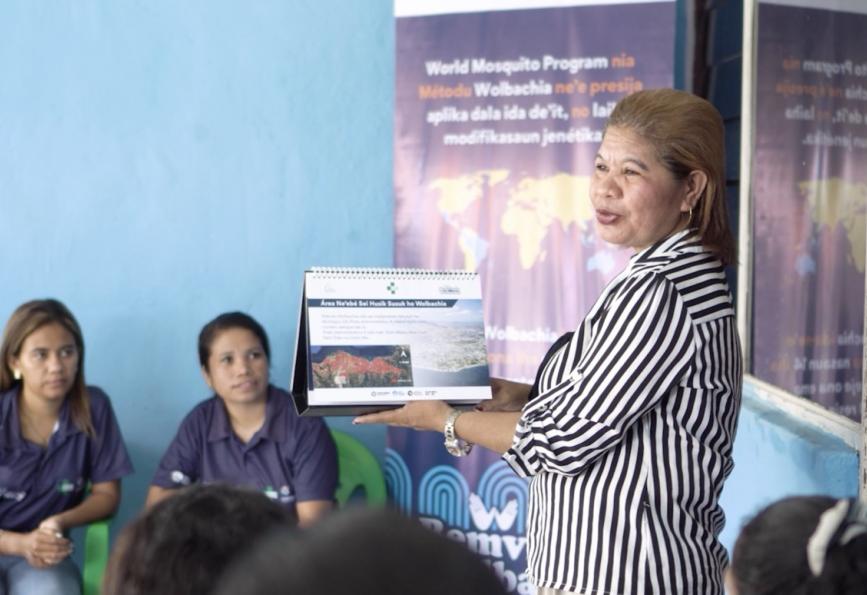
Lady presenting wolbachia at a workshop in Timor Leste
"To prevent dengue cases, we can't just wait for everything to be provided for us by the government," Pinto notes defiantly. "We as a community should contribute and tidy up our houses and local environment.

"We are really happy to see that the Ministry of Health wants to implement a new method that we're sure will make a significant difference in the fight against dengue. We hope it will reduce dengue transmission in our country and most importantly reduce the mortality rate of those affected by the disease."

WMP Expands Dengue Prevention in Laos

Written by: Alex Jackson | Published on:

Dengue fever has long been a persistent threat across Southeast Asia, with Laos particularly affected by seasonal outbreaks that devastate communities. Building on successful initial releases, the World Mosquito Program is now entering the second phase of its work in Laos, expanding its innovative Wolbachia method across Vientiane. Through collaboration with the Lao PDR Ministry of Health and Save the Children International, this sustainable approach aims to protect over 1.2 million people from mosquito-borne diseases including dengue, Zika, and chikungunya.

Community Heroes: Local Volunteers Fighting Dengue in Vientiane

For almost a year and a half, Phoutmaly Thammavongsa, a local sweet seller and resident of Vientiane, volunteered to help combat mosquito-borne diseases across the capital city of Laos. From raising awareness about how to spot mosquito breeding grounds, to advocating for community members to host a mosquito release container (MCR) in their home, every day was different.

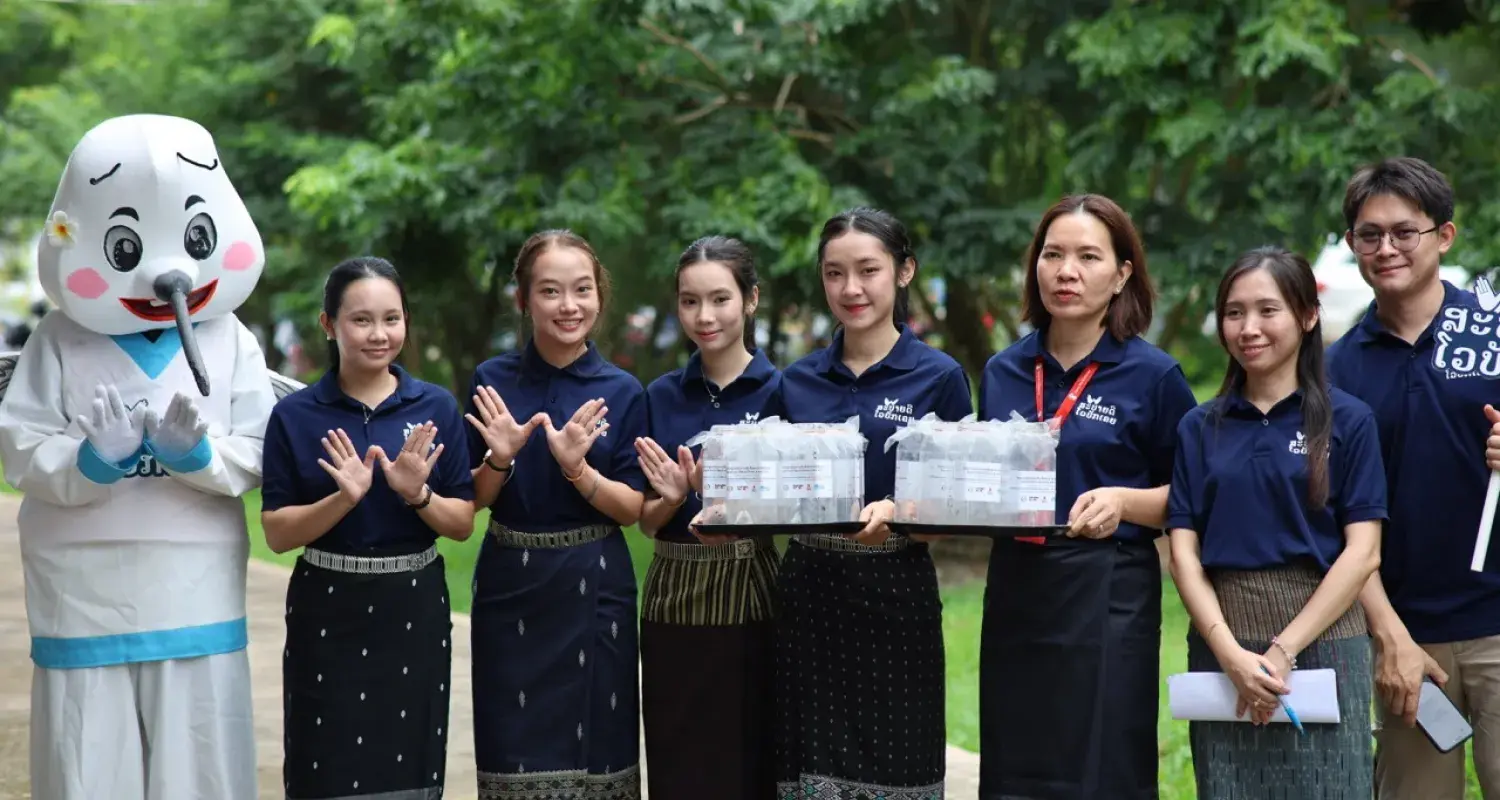
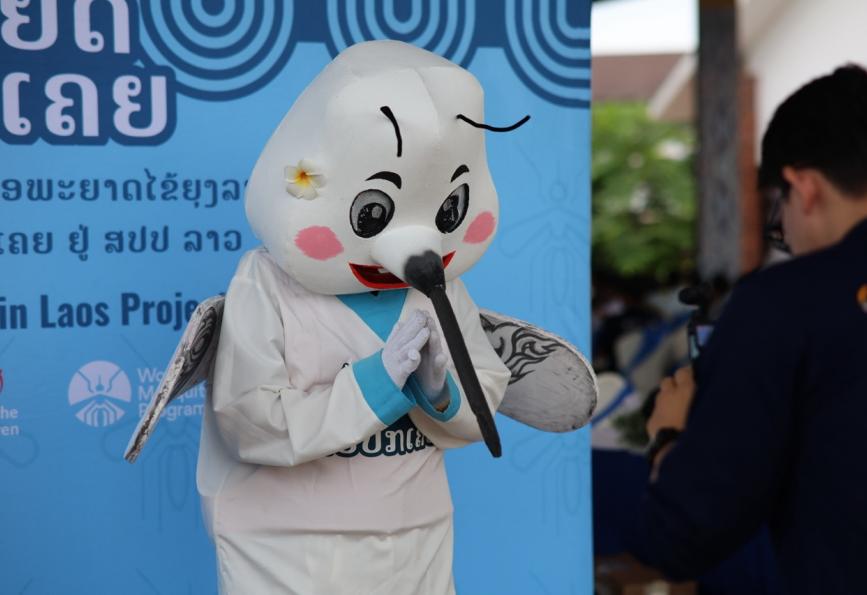
a group of students showing the we welcome wolbachia instagram cutout
 

“My hope is to free my country from dengue,” says Thammavongsa, who knows only too well how many have suffered in the capital from dengue in recent years. The negative impact and knock-on effect the disease can have on both health and finances is something many communities are familiar with across the country.

When Keo Manythong’s nephew, Boun, was affected by dengue during the last rainy season, she was forced to stop working and take care of him. Boun was fortunate to leave the hospital in good health after a week, but Ms Keo’s income was heavily impacted as she had no health insurance to cover the treatment.

“It was a terrible time for us,” says Keo, who lives in the Xaysettha district of Vientiane. “I was very scared and stressed because of my financial situation. Although Boun recovered, I am still concerned and can’t stop thinking if it will happen in this upcoming rainy season or not.”

Laos' Dengue Crisis: Over 20,000 Cases and Counting

A year-round threat in the country, dengue cases reached more than 20,000 last year, with 11 dengue-related deaths. However, both Ms Keo and Thammavongsa have a renewed sense of optimism following the successful deployment of Wolbachia mosquitoes in the Chanthabouly and Xaysettha districts of the capital. The pilot project, which saw the World Mosquito Program (WMP), Lao PDR Ministry of Health (MoH) and Save the Children International (SCI) join forces, helped protect 32 villages with a combined population of roughly 86,000 people

Following its conclusion in August 2023, many other residents have been interested in adopting WMP’s Wolbachia method – a safe, natural and one-time sustainable solution for preventing mosquito-borne diseases – in the country’s dengue hotspots.

“Dengue remains a major public health concern in Laos, particularly during the dry and rainy seasons when mosquito populations surge,” says H.E. Aphone Visathep, Vice Minister of Health.

“The disease places a significant strain on the health system, disproportionately affecting vulnerable populations, especially children. With limited health resources, dengue continues to pose a serious challenge, requiring sustained prevention efforts, active surveillance, and collaboration from all stakeholders.”

Group photo of World Mosquito program volunteers in laos
Be Part of the Solution: Join Our Community

Discover how we’re transforming lives and combating mosquito-borne illnesses globally. Sign up for exclusive insights and updates delivered straight to your inbox.

WMP's Wolbachia Method: A Sustainable Solution for Mosquito-Borne Diseases

Later this year, the project will expand to cover approximately 60 km2 in all nine districts of the capital, Vientiane, and 24 km² in Luang Prabang, Oudomxay, Savannakhet and Champasack provinces. The new release sites will see more than 1.2 million people protected by WMP’s Wolbachia method.

“Through our continued partnership with The Government of Laos and Save the Children, the expansion of Wolbachia within Vientiane represents a significant opportunity to reduce the burden of dengue,” says Breeanna McLean, WMP’s project manager in Laos. “We are excited to be working with our partners and communities for further deployments in Laos.”

The Vice Minister added: “On behalf of the Ministry of Health, we are grateful for the support from the Australian Government and look forward to supporting the successful implementation of the second phase of this project using the Wolbachia method.”

Group photo of the signing of the Memorandum of Understanding Laos
 

From Vientiane to Four Provinces

Key leaders gathered on March 13 in the capital to sign an agreement for the Driving Down Dengue campaign. The program, funded by the Australian Government and the Gillespie Foundation, will help the Ministry of Health combat dengue and other mosquito-borne diseases, including Zika and chikungunya, in Lao PDR.

Dengue is a serious but preventable disease, and children are among the most vulnerable,” says Luke Ebbs, Country Director of Save the Children International Laos. “The climate crisis makes this work even more urgent, as rising floods and droughts create ideal conditions for mosquito-borne diseases. We are also empowering young climate champions to call on leaders for urgent action to protect children from its growing impacts.”

“Dengue is a growing global threat due to changes in climatic conditions and increasing urbanisation. Australia is proud to support the Government of Laos in their efforts to control dengue-carrying mosquitoes using the Wolbachia technology. The Wolbachia method has been proven safe and effective in 14 countries.”
Benita Sommerville
Deputy Head of Mission, Australian Embassy
Portrait of Benita Sommerville, Deputy Head of Mission, Australian Embassy

Empowering Youth: Students Join the Fight Against Dengue

The health ministry is encouraging people to keep complying with dengue prevention measures, as well as advising provincial health authorities to ensure school environments are clean.

At Vientiane High School, both 15-year-old Voipalin and 12-year-old Souphaxay, believe education and awareness of mosquito-borne diseases from a young age are so important.

Voipalin recalls feeling tired with no appetite when she was suffering from dengue. “I’ve had dengue twice now,” she says. “My brother also caught the disease. It’s very serious. I missed my friends, school and had to stay in bed for weeks — I was sick for nearly four months.”

Souphaxay’s best friend was ill and in hospital with dengue for a week earlier this year. He describes how she was admitted to hospital and missed many classes.

“Everybody can get dengue and I’m very scared of getting it now too,” says Souphaxay. “I want every person to be aware of it and protect themselves from getting dengue. I hope in the future less people get the disease and it will no longer be in our country.”

World Mosquito Program kid from Laos v2

Community Impact: How Wolbachia Brings Hope to Families

Ms Keo recalls first hearing about the project on the radio and listening with great curiosity. After the village committee explained WMP’s Wolbachia method and provided information, her confidence grew.

“When I first heard about the method, it sounded unreal to me,” she recalls. “However, I feel more confident since it's safe and prevents the spread of dengue, which affects all our lives.

“ I truly have a high hope that this will free my family as well as Lao people from dengue in the future.”

Success in New Caledonia

Written by: Alex Jackson | Published on:

New Caledonia's successful implementation of the World Mosquito Program's Wolbachia method has eliminated dengue epidemics across the territory since 2019. We explore how strategic partnerships between government, scientific institutions and local communities created a sustainable solution that has protected residents while delivering significant economic benefits to this South Pacific archipelago.

Naporapoe Kawonion Rose vividly recalls the day she came down with dengue symptoms in her village in New Caledonia. 

“I felt very tired and had no strength,” she says. “I had strong headaches and pain everywhere.”

After receiving treatment at a local hospital and recovering, Rose was determined to prevent future dengue infections in her community.

“I started keeping an eye out for mosquito larvae and checked flower pots for standing water. I always told people to cut the grass and look for mosquitoes,” says Rose. “There are many children here, and I am getting old, so I want to fight against dengue because I’m scared.”

Rose’s village is one of the many communities in the diverse French overseas territory which has benefited from the World Mosquito Program’s (WMP) Wolbachia method over the past seven years.

Naporapoe Kawonion Rose of New Caledonia

Reducing mosquito-borne diseases in New Caledonia

Launched in March 2018, the project which announced its completion in recent weeks, saw WMP form a partnership with the Government of New Caledonia, the City of Nouméa and the Institute Pasteur in New Caledonia (IPNC) to protect communities from mosquito-borne diseases.The impact on communities like Rose’s has been resounding following releases of Wolbachia mosquitoes in the capital Nouméa, as well as the towns of Mont-Dore, Dumbéa and Païta. More than 24 million have been released with 86 per cent of mosquitoes carrying Wolbachia, and no dengue epidemic since 2019.

“This programme is a great success,” says Nadège Rossi, WMP’s programme coordinator in New Caledonia. “It highlights all the possibilities that this territory offers in terms of innovative technology.”

Timeline of New Caledonia Wolbachia deployment

While some less urbanised and more dispersed areas, including Saint-Louis, show slightly lower rates of Wolbachia establishment, Rossi is very positive about the wider success and lack of epidemics in recent years.

“The average rate of 87 per cent of mosquitoes carrying Wolbachia in Greater Noumea is sufficient, in any case, to break the chains of dengue transmission,” she says. “Especially since this percentage will of course continue to evolve and move towards 100 per cent.

"In the current context, we are almost certain that we will no longer have dengue epidemics in New Caledonia. However, despite everything, we remain vigilant. There are areas that are not covered by this method and therefore we could have smaller outbreaks.”

The programme has also seen a very high public acceptance rate throughout the communities where releases took place. Around 94 per cent of residents in Nouméa, 92 per cent in Dumbéa and Mont-Dore, and 94 per cent in Païta, were all in acceptance of using the method.

No better example of this is in New Caledonia, where the Government of New Caledonia, the City of Nouméa and the Institute Pasteur in New Caledonia (IPNC) were all initial consortium partners when the project launched in the capital, and are still heavily involved right to the end.

Other major partners in New Caledonia have included a diverse ensemble from EEC ENGIE, an energy provider in Nouméa, OPT, New Caledonia’s postal and telecommunication service, to French sportswear company, Decathlon, and environmental and public health association Ensemble pour la Planète (EPLP). The project has also been financially supported by the South province of New Caledonia and the French government.

“Beyond the financial contributions, the partnerships brought many skills to safely and successfully release mosquitoes in New Caledonia,” says Rossi. “Institut Pasteur de Nouvelle-Calédonie brought scientific expertise and skills for rearing and analysing mosquitoes as well as scientific materials.”

New Cal_WMP staff show local residents aedes aegypti mosquitoes and their larvae
 

Dr Marc Jouan, Director at the Institut Pasteur de Nouvelle-Calédonie, declared the project a victory for public health, following years of collaboration.

“It’s a great success because dengue is a disease that sometimes has extremely serious after-effects and can lead to deaths,” he notes. “It also has a weight in terms of public health because it can overload the  hospital sector that is often helpless. Since 2019, despite the COVID crises and the leptospirosis epidemics, the hospital sector has been spared (from dengue).

“However, the fight against viral and vector-borne diseases is a constant challenge and we must maintain mosquito surveillance to ensure that a sufficient percentage remains carriers of Wolbachia."

Rossi describes how the different cities helped WMP communicate to the population and how local authorities participated in BG trap collection and mosquito releases.

24 MillionMosquito icon

Number of Wolbachia mosquitoes released

86%New Caledonia Map Icon

mosquitoes carrying Wolbachia on average, in all the communes of Greater Nouméa, in 2024

93%New Caledonia Map Icon

Public Acceptance in Greater Nouméa

ZeroHealthy Icon

dengue epidemic for the last 5 years across the whole of New Caledonia

>100Collaborators Icon

employees

>3000Voluntary Icon

Volunteers

“The government of New Caledonia brought expertise in field entomology and epidemiology. Thanks to the data of the health department, we had historical information of dengue outbreaks in New Caledonia. We also had supporters from environmental associations, as well as public and private companies, which all played a role in helping promote the programme.

“I’ve had the chance to work with the same collaborators for years, so it is a real team success story and we are all proud to help protect New Caledonia from dengue outbreaks.”

Global progress against dengue with Wolbachia

The success in New Caledonia follows proven evidence, at scale, in other parts of the world. Recent impact from Colombia has seen three and half million people in the Aburrá Valley protected. Medellín, Itagüí and Bellow are now consistently among the lowest ranked cities in the country for dengue incidence. Niterói, WMP’s first fully protected Brazilian city, once one of Rio State’s highest-ranking cities for dengue rates, is now consistently one of the lowest, following Wolbachia establishment.

In Indonesia, following a large three-year randomised controlled trial, the city of Yogyakarta showed a 77 per cent reduction in dengue cases and an 86 per cent reduction in dengue hospitalisations, where Wolbachia mosquitoes were released. The results were published in the New England Journal of Medicine and garnered global media coverage and interest in 2021. In Australia, WMP effectively eliminated dengue as a public health concern with a 98 per cent reduction in transmission rates.

Economic impacts of preventing mosquito-borne diseases

Frequent dengue outbreaks across the world continue to strain health systems, reduce school attendance, and hurt household budgets. And economists estimate the global cost of dengue to be close to $9 billion per year. In New Caledonia, in addition to the lives saved, WMP’s project averted health costs estimated at roughly 67 million euros, while eliminating the use of insecticides on the South Pacific archipelago.

Hospital doctor and city councillor, Tristan Derrick, says: “I have personally seen people die of hemorrhagic dengue fever in intensive care, for whom our care service was powerless. It’s a monumental success (to have avoided any arbovirus epidemics).”

Photo of a projector screen showing 'merci' in reponses to World Mosquito Program's successful Wolbachia implementation in New Caledonia

Hope for the future: Expanding Wolbachia beyond New Caledonia

“The method could be an inspiration for the other French overseas territories.….such as the French Antilles, Mayotte and the Réunion, which are really affected by dengue epidemics,” says Julien Pailhère, the Director of the Office of the High Commissioner of France in New Caledonia.

“I really hope (with good results) to develop the project in other French overseas territories and beyond. In the times we live in, skies have no borders.”

For Rossi, it marks the end of a seven-year project, which has seen challenges but also fantastic rewards.

“It is very challenging to implement such a programme, but it is also a rare opportunity to participate in a project which will change the lives of many people,” reflects Rossi.

Niterói’s Dengue Cases Drop 90%

Written by: Alex Jackson | Published on:

A Model of Mosquito-Borne Disease Control

Brazil’s first fully protected city sees over 90% drop in dengue cases following WMP’s Wolbachia releases.

The surge of dengue cases has been unrelenting this year, and nowhere else in the world has felt the brunt of dengue as much as Brazil has in 2024. The country has so far registered a record-breaking 9.9 million cases and more than 5,726 deaths, with the World Health Organisation (WHO) warning that all four dengue serotypes have been detected in the Americas this year in at least six countries, including Brazil.

Following 2023’s record numbers, which saw 3 million cases and 1,188 dengue-related deaths, the Brazilian government had forecast disheartening case numbers at the start of the year. The Ministry of Health estimated the worst-case scenario would be five million cases, a figure surpassed in the first four months alone.

The worrying trend is even more stark when looking back at historical records. After an absence of more than 20 years, dengue re-emerged in the country in 1981. Over the next 30 years, seven million cases were reported. Today, Brazil has the greatest number of dengue cases in the world, and accounts for more than 80% of the total global burden this year alone.

Green bus in driving through the city of Niteroi where the World Mosquito Program has deployed its wolbahcia method

Niterói fights dengue with Wolbachia

However, one city in Brazil is dramatically bucking the trend. Home to roughly half a million people, Niterói, just across the Guanabara Bay from neighbouring Rio de Janeiro, has seen its lowest number of dengue cases in more than 20 years between 2020 and 2023.

Health officials credited the successful impact of WMP’s Wolbachia method, which was first deployed in the city to help battle dengue in 2015. Nine years on, it is the first Brazilian city to be fully protected by Wolbachia. Long-term monitoring in Niterói, showed that at least 97% of Aedes aegypti mosquitoes carried Wolbachia up to eight years after release efforts ended.

“The sustained absence of dengue, chikungunya and Zika outbreaks in Niterói during the past four years has provided an increasingly clear signal of the real-world effectiveness of large-scale Wolbachia deployments," says Dr Katie Anders, WMP’s Director Integrated Evidence.

In the ten years prior to the start of the city-wide roll-out of Wolbachia mosquito releases in Niterói in 2017, more than 46,000 dengue cases resident in Niterói were reported to Brazil’s national disease surveillance system (SINAN). Large dengue outbreaks numbering thousands of cases were an almost annual occurrence in the city, and more than 12,000 cases were reported in 2013 alone. By comparison, in the first four years 2020 - 2023 after Wolbachia was rolled out across Niterói, there were a total of 326 dengue cases reported in the city - lower than any previous period on record.

“It’s not often you come across a proposal to release mosquitoes when our entire history of disease prevention was to fight against the mosquitoes. But… we accepted the challenge.”
Ana Eppinghaus
Health Surveillance Coordinator at the Municipal Health Foundation of Niterói

Record year of dengue

While surging dengue transmission in 2024 has seen case numbers creep up also in Niterói, the 1,754 cases recorded so far this year are dramatically lower than historical outbreaks.

"This year has provided the litmus test,” adds Anders. “To see dengue incidence remain low in Niterói while dengue is inflicting a public health emergency on so much of Brazil and the region really highlights the extraordinary impact that Wolbachia is having in preventing illness and deaths and protecting health systems.”

Anders notes that while cases have increased this year, the caseload is still 90 per cent lower than before the deployment of WMP’s Wolbachia method.

Ana Eppinghaus remembers when WMP first approached the city with its novel method in 2015. “The first contact we had with the project was a little surprising," says the Health Surveillance Coordinator at the Municipal Health Foundation of Niterói. “It’s not often you come across a proposal to release mosquitoes when our entire history of disease prevention was to fight against the mosquitoes. But… we accepted the challenge.”

The project first began in Jurujuba before expanding to another 33 neighbourhoods in 2017. The final 19 neighbourhoods were completed in May 2023, with scientific results from other areas already showing a drop in dengue cases.

“We were used to seeing dengue epidemics in the city every three to five years, with tens of thousands of cases,” adds Eppinghaus. “And today, we see the impact of Wolbachia all over the city, with at most a hundred or so cases. The impact was clear, cases were decreasing.”

Since Wolbachia has been rolled out across the city, Anders says dengue incidence has dropped to an average of 84 cases per 100,000 people per year, compared to an average rate of 913 cases per 100,000 per year in the 10 years pre-Wolbachia.

The 1,736 dengue cases reported in Niterói from January to June 2024 represent a rate of 336 per 100,000 this year. This compares to the national rate of 3,121 and 1,816 in Rio de Janeiro state during the same period.

Anders points out that historically Niterói has ranked among the highest dengue incidence cities in Brazil, so this protective effect of Wolbachia in the city translates into thousands of dengue cases prevented that would otherwise have occurred during this year's unprecedented dengue surge in Brazil.

World Mosquito Program employee places mosquito container in Niteroi Brazil

Replicating Niterói’s success

At the end of last year, the city’s symbolic Museum of Contemporary Art (Mac), hosted an exhibition entitled: Wolbachia pipientis: Niterói em Três Tempos, which told the story of how WMP implemented the Wolbachia method across the city over eight years.

“It gives me much joy and I’m really proud of our city being the first Brazilian municipality to be 100% protected by Wolbachia,” says Juliana Martins, the Education, Sustainability, Sport and Health Coordinator from the City Education Secretariat of Niterói.

“We are really proud to be part of this project and to see how effective it has been — and in such a sustainable way. It’s wonderful to see that science is not meant to stay in a drawer and with WMP, it has benefited those who most need it. It’s fantastic.”

It is hoped the success of Niterói will be replicated across much of the country in the coming years. WMP, alongside Fiocruz and the Ministry of Health, have great ambitions to protect more than 100 million people in Brazil over the next decade.

Be Part of the Solution: Join Our Community

Discover how we’re transforming lives and combating mosquito-borne illnesses globally. Sign up for exclusive insights and updates delivered straight to your inbox.

Alongside previous releases in other cities including Petrolina, Campo Grande and a randomised controlled trial in Belo Horizonte, with results expected in mid-2025, Joinville, Foz do Iguaçu and Londrina are currently in the midst of Wolbachia releases. Uberlândia, Presidente Prudente and Natal, will also commence deployments early next year.

Ethel Maciel, the Ministry of Health’s Secretary for Health and Environment Surveillance, emphasises the importance of these new initiatives to protect more people from mosquito-borne diseases.

“Expanding the number of cities that use the Wolbachia method and building new factories are of great importance if we are to face future epidemics and better protect the Brazilian population,” she says.

“This technology is proof that science needs to be increasingly fostered and valued.”

The factory, which is owned by IBMP/Fiocruz and WMP, is part of the formal partnership between the two organisations to dramatically expand access across the country. It will produce about five billion mosquito eggs annually at a rate of up to 100 million per week in the initial stages.

“In Brazil, we’re in the process of moving past Wolbachia as an experimental measure to its use as a cornerstone of dengue control,” says Luciano Moreira, WMP’s project leader in Brazil. “We’ve partnered with the Brazilian government to build a Wolbachia mosquito production facility that will enable deployment in multiple cities simultaneously — with the goal of protecting millions of people.”

Anders concludes: “In a record year for dengue outbreaks, Niterói has shown that Wolbachia can provide long-term protection for communities against the increasingly frequent surges in dengue we’re seeing globally.”

Subscribe to
Want to learn more about the World Mosquito Program and our sustainable and nature-based Wolbachia method?