Releasing Hope: Bringing a Universal Story to Life
In early 2025, WMP set out to make a film that could speak to anyone, anywhere, with no words at all. Releasing Hope is the result: a four-and-a-half-minute animated film created with Manchester-based studio Flow Creative and scored by acclaimed Danish band Efterklang. Here, the people who made it explain how a universal story of resilience, community, and hope took shape.
The film
How It Was Made
How do you tell a global story - one that crosses borders, cultures, and languages - without using words at all?
That was the creative task the World Mosquito Program (WMP) set for itself in early 2025.
"So the challenge was that we tell our story without really using any words," says Scott O'Neill, WMP's Founder and CEO. "By creating a piece of original, universal collateral, we wanted something that could be used anywhere and still be effective without language."
Brimming with ideas and possibilities, WMP's global communications team set out to create a powerful and meaningful animation rooted in community empowerment. From the outset, the ambition was clear: a film that could speak to anyone, anywhere, through visual storytelling alone.
Why animation?
For Communications Director Bruno Col, animation offered something no other medium could.
"I thought animation would give us the scope of imagination, creativity, and possibility that no other medium could actually offer us," he says.
In May 2025, the team began working with Manchester-based animation studio Flow Creative, alongside acclaimed Danish band Efterklang, who composed an original score. Together, they worked to craft a cinematic experience driven entirely by imagery, music, and emotion.

Visual storytelling without words
Telling this story without dialogue required careful creative balance. The animation relies entirely on visual cues - from framing, camera angles, transitions, and style — to guide viewers through the narrative and create an epic, cinematic feel.
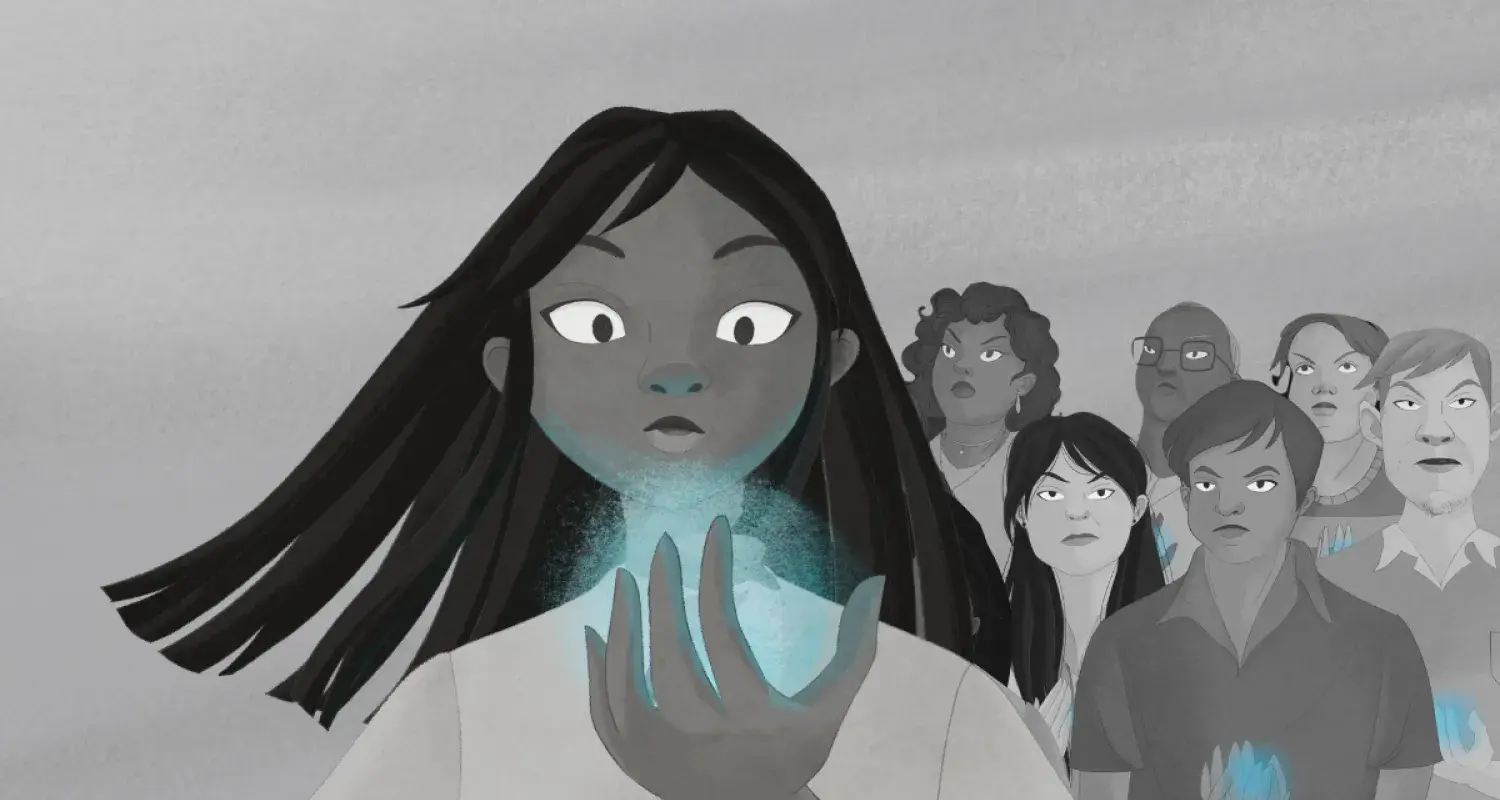
The final look blends pointillism and illustrative styles, combining frame-by-frame drawing with rigged animation.
"It's pure visual storytelling," says Karl Doran, Founder and Creative Director at Flow Creative. "It all relies on the artwork and what you see on screen allowing you to understand what's happening but also get across that cinematic journey.
"Our goal was to create a film with drama, action, and emotional impact, whilst staying true to the science and reality of how these diseases affect people's lives.
"We hope the film will help to inspire audiences, bring global attention to the amazing work WMP is doing, and the enormous potential impact that Wolbachia could have on the world."
A human story at its core
Central to the project was developing a strong narrative built around a single character in a universal setting. The story needed to be uplifting, while also acknowledging the heavy burden of mosquito-borne diseases like dengue, which continue to strain health systems and communities around the world.
"We really wanted to frame it as a human story," says Alex Jackson, WMP's Editorial and Media Manager. "A hero's journey where we follow a girl who battles the spectre of disease."
The "spectre" itself was inspired by recurring themes in WMP community stories — descriptions of disease as a looming darkness, ever-present and threatening. This concept became the film's antagonist, symbolising the fear and disruption these illnesses bring to everyday life.
The young heroine represents something equally important: the role of young people and community volunteers at the heart of WMP's work, including community engagement and Wolbachia releases.
Be Part of the Solution: Join Our Community
Discover how we’re transforming lives and combating mosquito-borne illnesses globally. Sign up for exclusive insights and updates delivered straight to your inbox.
Collaborating with Efterklang
Efterklang's original score elevates the emotional arc of the film, particularly during moments of tension and triumph.
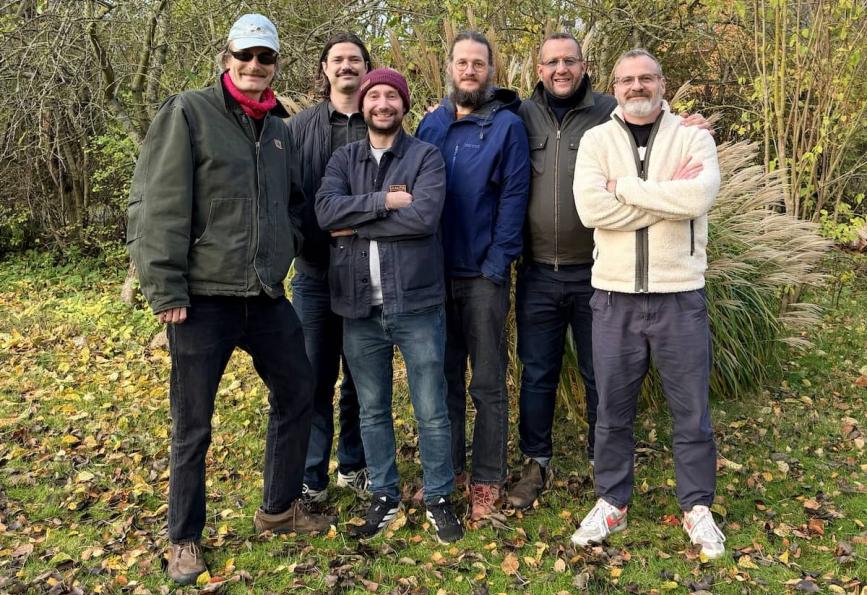
The three-piece band from Copenhagen - made up of childhood friends Casper Clausen, Mads Christian Brauer, and Rasmus Stolberg - have been making waves since the early 2000s, with seven studio albums released to date. The ethereal beauty of their music has graced major stages, concert halls, and festivals across the globe over two decades, with performances alongside classical orchestras at venues including the Sydney Opera House, the Barbican, and the Metropolitan Museum of Art in New York.
"There was a complexity to this whole project that felt exciting to work with," says Casper. "Let's say the process of working with animation fits quite well with the way we work as Efterklang, with our music. It felt daring to do."
The band is also renowned for its creative collaborations and films, including a border-crossing exchange between the Danish stars and the Macedonian music scene, most recently highlighted in the documentary Efterklang: The Makedonium Band. Their collaborative spirit, experimentalism, and openness to new ideas made them the right choice to partner with WMP on this film.
"It's always nice and it's challenging and it's fun," adds Mads. "But it's also exciting to sort of express yourself in different ways."
Reaching new audiences
"The message is about the power of our Wolbachia intervention and how it can change lives," says O'Neill. "It's about empowering communities and creating a sense of collective action."
Releasing Hope was created to reach a broad, diverse audience, especially younger viewers who may be encountering WMP's work for the first time. The film will be supported by a reimagined comic book version of the story, alongside educational resources about mosquito-borne diseases.
For those who worked on it, the project was as inspiring as the story it tells.
"Once we learned about the science behind Wolbachia and how it could potentially change the world, we were all energised," says James Lawson, 2D Animator on the film. "Hopefully that comes across in what we've made."